By Russell Firestone
Georgetown's housing stock is among the most historically significant in Washington — and among the most complex to evaluate. Federal rowhouses, Georgetown-style brick townhomes, and converted carriage houses carry architectural character that attracts buyers from around the world, but they also carry the maintenance considerations that come with age. Understanding the inspection process before you're under contract is one of the most important ways a Georgetown buyer can protect a significant investment.
Key Takeaways
- A home inspection is a visual assessment of a property's condition by a licensed professional — it identifies deficiencies but does not determine value or guarantee future performance
- Georgetown's historic properties require inspectors with specific experience in older construction, where original systems and prior renovations create conditions general inspectors frequently miss
- The inspection contingency gives buyers the right to renegotiate or withdraw based on findings — how you use it strategically matters as much as what the inspection reveals
- In DC's competitive market, some buyers waive inspection contingencies to strengthen offers — understanding the risk of that decision before making it is essential
What a Home Inspection Covers
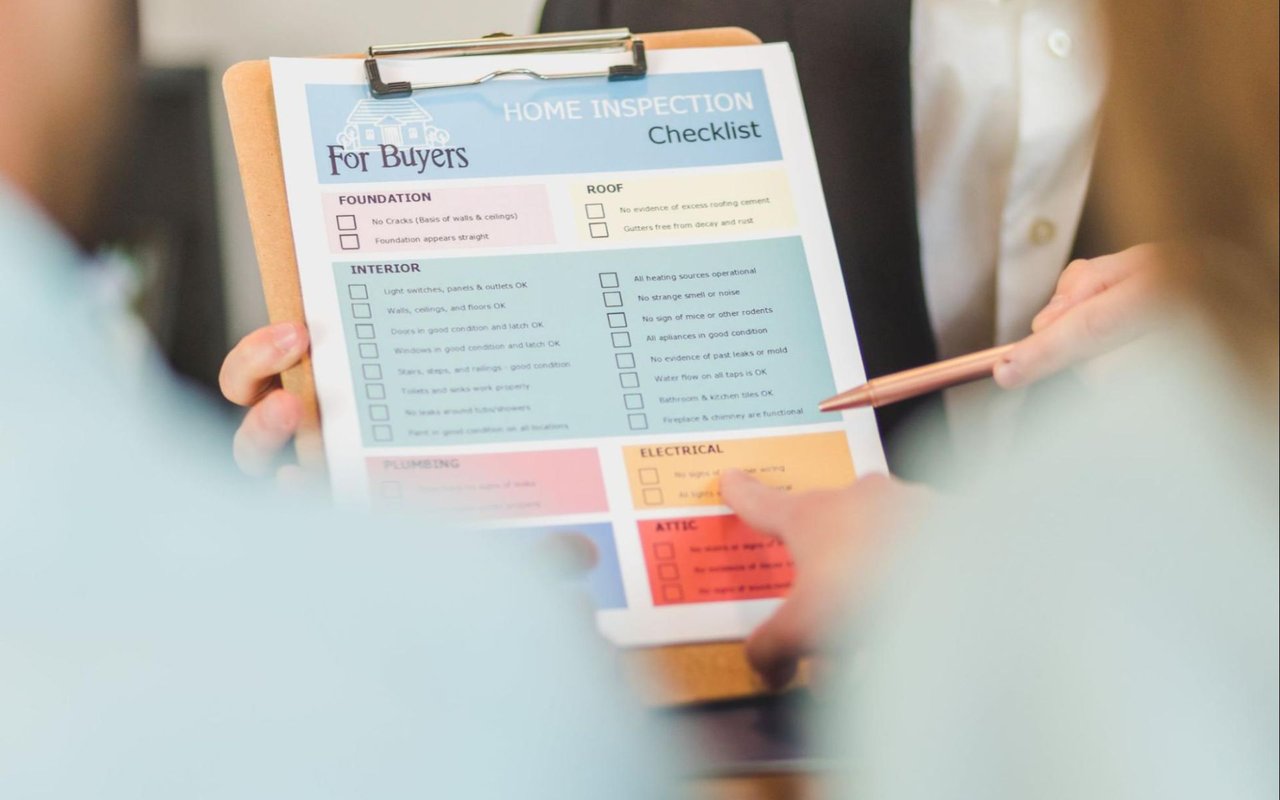
A standard home inspection is a visual, non-invasive assessment of a property's accessible systems and structural components. The inspector observes and documents conditions rather than dismantling walls or testing systems under load, meaning some conditions are identified and others are flagged for further specialist evaluation.
What Gets Evaluated in a Standard Inspection
- Structural components, including the foundation, framing, floors, walls, and roof, are assessed for visible signs of settlement, water intrusion, or deterioration
- Major mechanical systems, including HVAC, plumbing, and electrical, are evaluated for visible condition, age, and observable function
- The exterior, including roofing, gutters, downspouts, and grading, is reviewed for condition and signs of water management issues that could affect the interior
- Interior finishes, windows, doors, insulation, and attic conditions are documented where accessible, with notes on deficiencies warranting further review
The report that follows is a written record of observed conditions — not a pass/fail grade and not a guarantee of future performance.
Why Georgetown Properties Require Specialized Inspectors
Not all inspectors are equally equipped to evaluate a Georgetown rowhouse. Properties here frequently date to the 19th and early 20th centuries, and the systems and materials used in that era require familiarity that inspectors working primarily in newer construction often lack.
What Makes Georgetown Inspections More Complex
- Original knob-and-tube or early panel electrical systems are common — inspectors unfamiliar with DC's residential electrical code history may miss conditions requiring disclosure or remediation
- Masonry construction behaves differently than wood-frame in terms of moisture management and crack interpretation — not every inspector distinguishes between cosmetic and structural cracking in historic brick
- Prior renovations, nearly universal in Georgetown's housing stock, frequently include unpermitted work that creates liability for buyers who don't identify it before closing
- Historic district requirements govern exterior modifications under DC's Historic Preservation Office — an inspector who flags conditions without understanding HPO regulations may raise concerns that aren't addressable as suggested
Selecting an inspector with demonstrated Georgetown and DC historic property experience is the foundation of a useful inspection.
How to Use the Inspection Contingency Strategically
The inspection contingency gives buyers a defined window to evaluate the property and decide whether to proceed, renegotiate, or withdraw. How you use that window is a strategic decision.
How Experienced Buyers Navigate Inspection Findings
- Prioritize findings by severity — structural concerns, active water intrusion, and failing systems warrant serious attention; cosmetic items do not warrant renegotiation in a luxury transaction
- Request credits rather than repairs wherever possible — a cash credit at closing gives you control over remediation quality rather than relying on a seller's contractor
- Use specialist estimates to support any credit request — a written number from a licensed contractor is more persuasive than one proposed without documentation
- Understand the seller's position before responding — a seller who disclosed conditions upfront will respond differently than one who was unaware of what the inspection revealed
The inspection negotiation is a continuation of the original negotiation — how you approach it affects whether the deal closes and on what terms.
When Waiving the Inspection Contingency Makes Sense
In DC's competitive market, buyers sometimes waive the inspection contingency to strengthen their offer. This is a legitimate strategy in specific circumstances — and a significant risk in others.
How to Think About Waiving in Georgetown's Market
- A pre-offer inspection, conducted before submitting an offer, allows buyers to waive the contingency while retaining full knowledge of the property's condition
- Newer construction and recently renovated properties with documented permit histories carry less risk in a waived inspection scenario than unrenovated historic properties
- Properties with thorough seller disclosures reduce the information gap that makes waiving risky — transparency in the listing is a meaningful factor
- The financial exposure on a Georgetown property is substantial enough that waiving on an unrenovated historic home without a pre-offer inspection rarely justifies the competitive advantage it provides
FAQs: Inspection Process for Buyers in Georgetown, DC
How long does a Georgetown home inspection take?
Two to four hours depending on size and complexity. Older rowhouses and multi-unit conversions often take longer given the range of systems and conditions requiring documentation.
What specialists should I consider beyond the general inspector?
A structural engineer for foundation concerns, a licensed electrician for older electrical systems, and a sewer scope inspection for properties with original clay or cast iron drain lines are the most commonly recommended in Georgetown's market.
Can I attend my home inspection?
Yes, and I strongly recommend it. Being present allows you to ask questions in real time and understand the relative significance of findings rather than interpreting a written report without context.
Navigate the Georgetown Buying Process with Russell Firestone
The inspection is one of several steps in a Georgetown transaction where local knowledge makes a measurable difference. As a Georgetown native and one of the top Sotheby's International Realty agents in the world in 2024, I bring the market depth and professional relationships to help buyers move through this process with clarity and confidence.
Recognized as the number two real estate agent in Washington, DC by the Washington Business Journal in 2023, I represent buyers who expect results that match the standard of what they're acquiring.
Connect with Russell Firestone today.
Recognized as the number two real estate agent in Washington, DC by the Washington Business Journal in 2023, I represent buyers who expect results that match the standard of what they're acquiring.
Connect with Russell Firestone today.