By Russell Firestone
Georgetown is not like other neighborhoods in Washington, DC. The streets are older, the homes are more storied, and the standards, both aesthetic and regulatory, are higher than almost anywhere else in the city. As someone who works in Georgetown real estate every day, I have watched renovations transform already beautiful properties into truly exceptional ones, and I have seen well-intentioned projects fall short because the owners did not fully understand what makes this neighborhood different.
Remodeling a home in Georgetown requires a particular kind of care. You are not simply updating a house. You are stewarding a piece of American architectural history while also making a significant financial investment in one of the most valuable real estate markets in the country.
Done right, a Georgetown renovation adds meaningful value, deepens the home's character, and honors the neighborhood it belongs to. This guide walks through the most important remodeling considerations for Georgetown homeowners.
Key Takeaways
- Georgetown homes fall under the jurisdiction of the Old Georgetown Act, which means exterior changes require review and approval before any work begins
- Preserving and restoring original architectural details such as original moldings, hardwood floors, and historic windows almost always adds more value than replacing them
- Kitchen and bathroom renovations deliver the strongest return on investment in Georgetown's luxury market when finishes and design are aligned with the home's overall character
- Outdoor spaces including rear gardens, terraces, and rooftop additions can significantly expand a Georgetown home's livable footprint and appeal
- Working with architects and contractors who have specific Georgetown and historic renovation experience is essential, not optional
- Understanding the regulatory environment before starting any project saves time, money, and significant frustration
Understand the Old Georgetown Act Before You Do Anything Else
The single most important thing any Georgetown homeowner needs to understand before beginning a renovation is the Old Georgetown Act of 1950. This federal legislation established Georgetown as a historic district and placed exterior changes to properties within its boundaries under the review authority of the US Commission of Fine Arts. If your project involves any changes to the exterior of your home, including windows, doors, rooflines, additions, fences, or even paint color on certain surfaces, you will need to submit plans for review and receive approval before work begins.
This is not a bureaucratic inconvenience to work around. It is a framework that protects the integrity of the neighborhood and, by extension, the value of every property within it. Homeowners who try to shortcut this process often find themselves required to undo completed work at significant expense. The right approach is to engage an architect with direct experience navigating the Old Georgetown Act review process early in your planning.
The approval timeline needs to be built into your project schedule from the very beginning, and your design choices need to be informed by what the Commission of Fine Arts is likely to approve.
Restore Original Details Rather Than Replace Them
Georgetown's residential architecture spans Federal, Greek Revival, Victorian, and early twentieth century styles, and the original details in these homes are among their most valuable features. Original wide-plank hardwood floors, plaster crown moldings, transom windows, paneled shutters, marble mantels, and hand-crafted millwork are not merely decorative. They are the reason buyers pay a premium for Georgetown properties over comparable homes elsewhere in the city.
One of the most common and costly mistakes I see Georgetown homeowners make is replacing original architectural elements because restoration feels more complicated than substitution. A reclaimed or reproduction floor rarely matches the warmth and grain of original heart pine or oak. A new window, even a high-quality one, rarely reads the same way as a restored original with true divided lites.
In most cases, investing in skilled restoration rather than replacement yields a better aesthetic result and a significantly stronger return when it comes time to sell. Find craftspeople who specialize in historic restoration. They exist in the DC market, they are worth every dollar, and the results speak for themselves.
Prioritize Kitchens and Bathrooms with an Elevated Sensibility
In Georgetown's luxury real estate market, kitchens and bathrooms carry enormous weight in how buyers perceive value. These are the spaces where updated function and elevated design come together, and when they are done well, they can genuinely transform how a home feels without compromising its historic character.
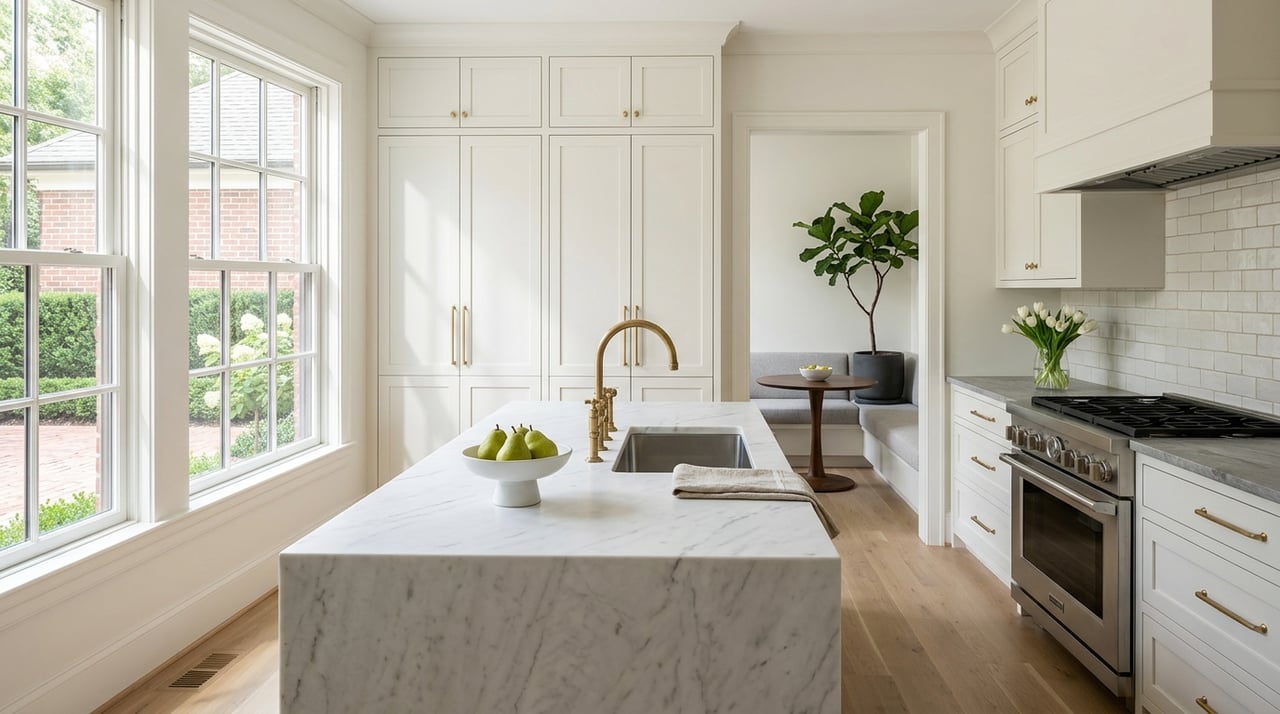
The key in Georgetown is restraint and quality. A kitchen renovation that reaches for sleek, cold modernism in a Federal-era row house often feels jarring and disconnected. The better approach is to honor the proportions and palette of the home while bringing in genuinely high-end appliances, custom cabinetry with traditional detailing, natural stone countertops, and hardware that feels considered rather than trendy.
The same principle applies to bathrooms. Marble, unlacquered brass, subway tile, and freestanding soaking tubs work beautifully in Georgetown homes because they feel historically informed even when they are entirely new. The goal is timeless, not fashionable, and in this neighborhood, those two things are not always the same.
Open the Floor Plan Thoughtfully, Not Aggressively
Many Georgetown row houses were built with compartmentalized floor plans that reflect the social conventions of their era. Today's buyers generally prefer more open, connected living spaces, and thoughtfully removing non-structural walls to create flow between the kitchen, dining, and living areas is one of the most impactful changes you can make to a Georgetown home's livability and marketability.
The word to hold onto is thoughtfully. Aggressive open-plan conversions that strip out every wall and eliminate every sense of spatial definition tend to work against the character of Georgetown homes rather than enhance it. The most successful renovations I have seen in this neighborhood preserve at least some sense of room definition while creating generous openings and improved sightlines between spaces.
An architect who understands how historic Georgetown interiors work can help you find the right balance between openness and the kind of intimate, layered spatial quality that makes these homes feel genuinely special rather than simply large.
Invest in Outdoor Living Space
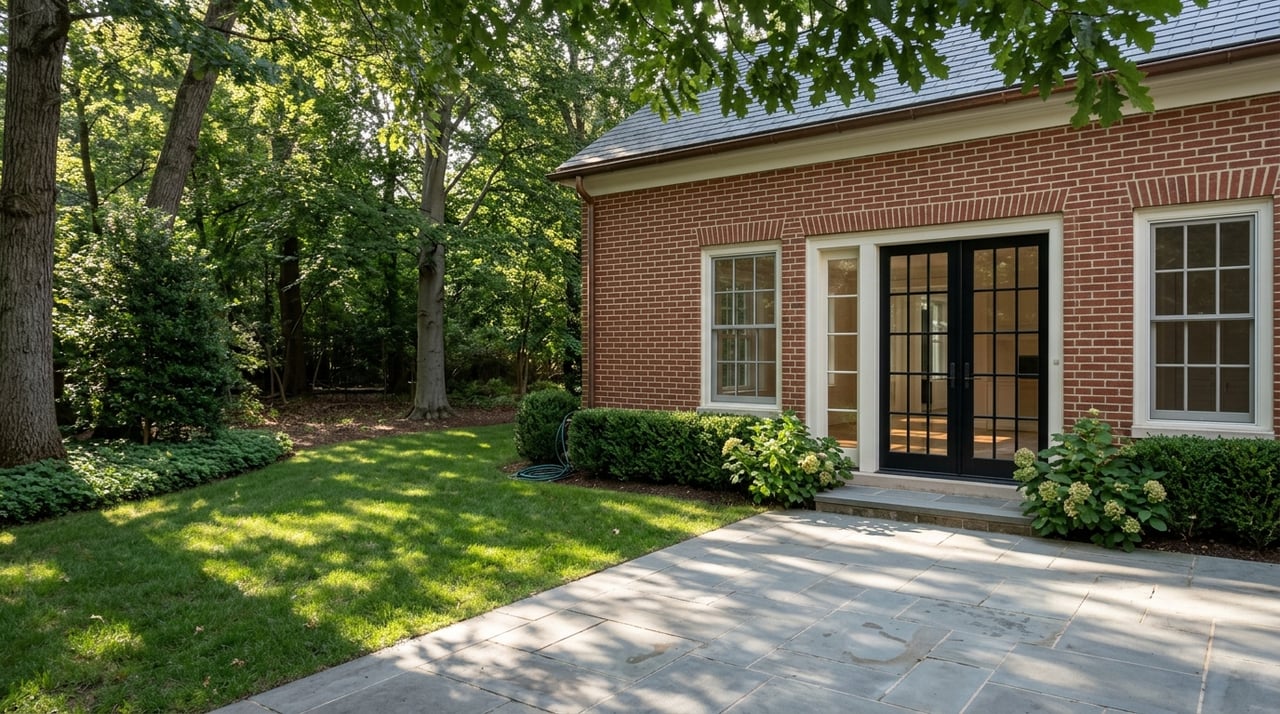
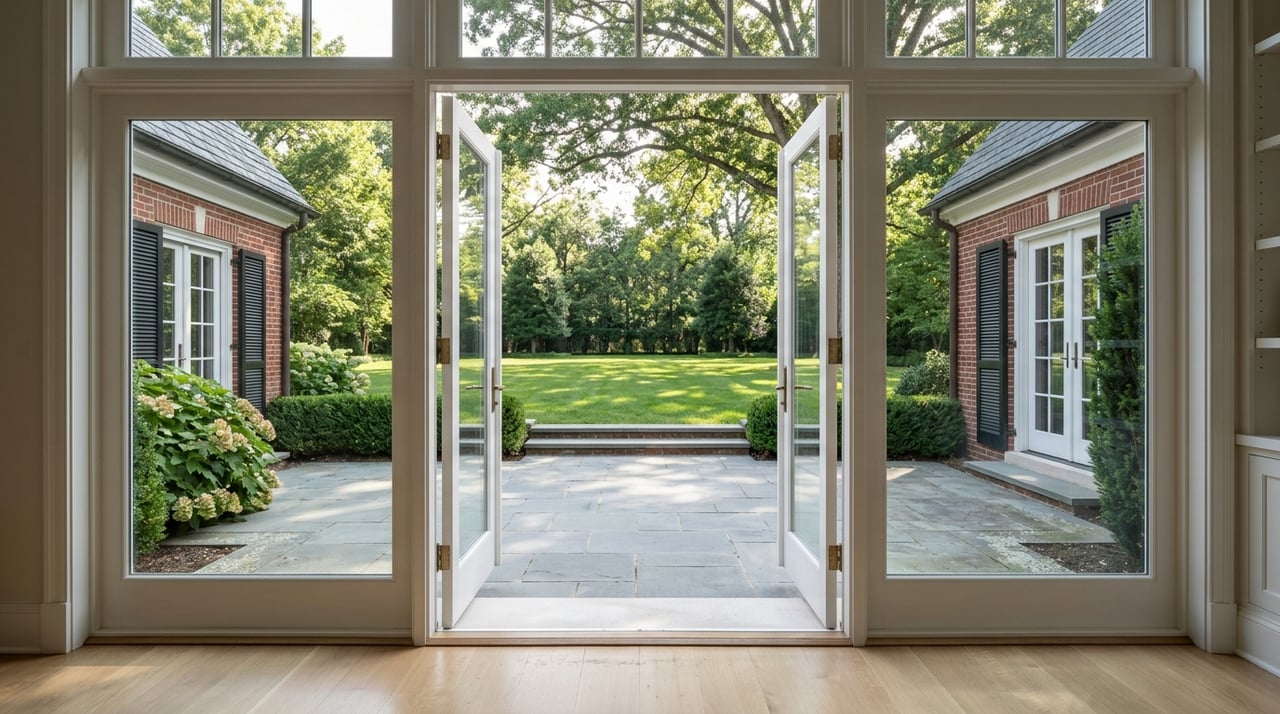
Georgetown properties are often more compact than homes in suburban parts of the DC metro area, which makes outdoor space especially valuable. A rear garden, a bluestone terrace, a rooftop deck, or even a carefully designed side yard can meaningfully expand the livable footprint of a Georgetown home and add significant appeal for buyers who want outdoor entertaining space in an urban setting.
Rear garden renovations in Georgetown tend to respond beautifully to investment. A well-designed garden with mature plantings, quality hardscaping, an outdoor dining area, and thoughtful lighting transforms what might be an overlooked backyard into one of the most compelling features of the entire property.
Rooftop additions require Commission of Fine Arts review and need to be designed so they are not visible from the street, but when executed properly they add a private outdoor retreat with views of the Georgetown rooftops and skyline that are genuinely extraordinary. These are the kinds of spaces that buyers remember long after a showing is over.
Work Exclusively with Experienced Georgetown Contractors
Georgetown renovations are not the right place to experiment with a contractor who has not worked in the neighborhood before. The regulatory requirements, the structural realities of pre-war and century-old construction, and the craftsmanship standards that Georgetown buyers expect all demand a level of specialized experience that not every contractor can offer.
When vetting contractors and architects for a Georgetown project, ask specifically about their experience with historic renovation, their familiarity with the Old Georgetown Act review process, and examples of completed projects in the neighborhood.
Check references from Georgetown homeowners directly. The best contractors in this market are known by reputation among architects, designers, and real estate professionals, and those referral networks are worth tapping before you sign any contract.
Frequently Asked Questions
Do I need special permits to remodel a Georgetown home?
Yes. Any exterior changes to a Georgetown property require review and approval from the US Commission of Fine Arts under the Old Georgetown Act. Interior renovations still require standard DC building permits but generally do not require historic review unless they affect the exterior envelope of the home.
What renovations add the most value to a Georgetown property?
Kitchen and bathroom renovations consistently deliver strong returns in Georgetown's luxury market. Restoring original architectural details, adding or improving outdoor living space, and updating mechanical, electrical, and plumbing systems while preserving historic character are all high-value investments in this neighborhood.
How do I find a contractor experienced in Georgetown historic renovations?
The best starting point is referrals from architects who work regularly in Georgetown, from neighbors who have completed successful renovations, and from real estate professionals who are deeply familiar with the neighborhood. The Georgetown Business Improvement District can also be a useful resource for identifying experienced local professionals.
How long does the Commission of Fine Arts review process take?
The timeline varies depending on the scope and complexity of the proposed changes, but homeowners should generally budget several months for the review process and factor that into their overall project timeline before any construction begins.
Will renovating my Georgetown home affect its historic designation?
A thoughtful renovation that follows the Commission of Fine Arts guidelines will not affect a property's historic designation. Unpermitted or non-compliant exterior changes, however, can create legal and financial complications that are difficult and expensive to resolve.
Thinking About Buying, Selling, or Renovating in Georgetown?
Georgetown is one of Washington, DC's most rewarding neighborhoods to invest in, and a well-executed renovation can significantly strengthen both the livability and the long-term value of a property here. Whether you are preparing a home for sale, evaluating a purchase with renovation potential, or simply trying to understand what improvements make the most sense in this market, having a knowledgeable real estate advisor in your corner makes a real difference.
I work in Georgetown and across the DC metro area every day, and I would welcome the opportunity to talk through your goals. You can learn more about my approach—reach out directly today.