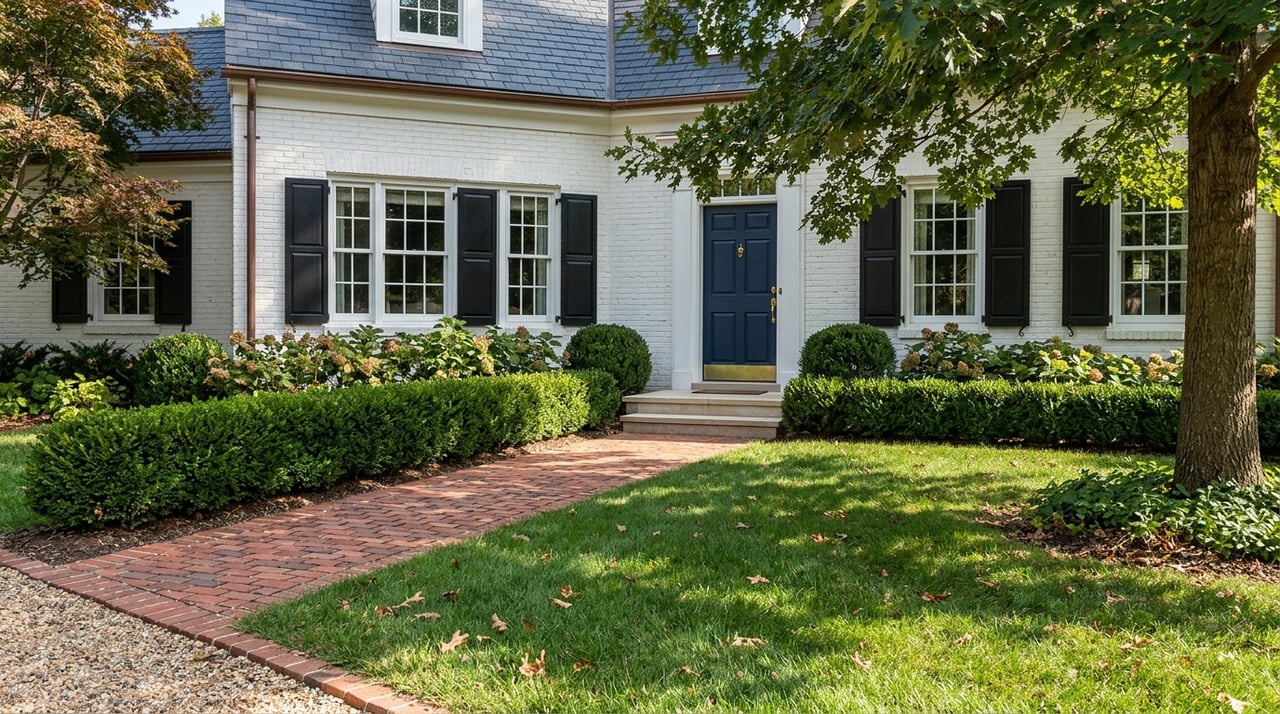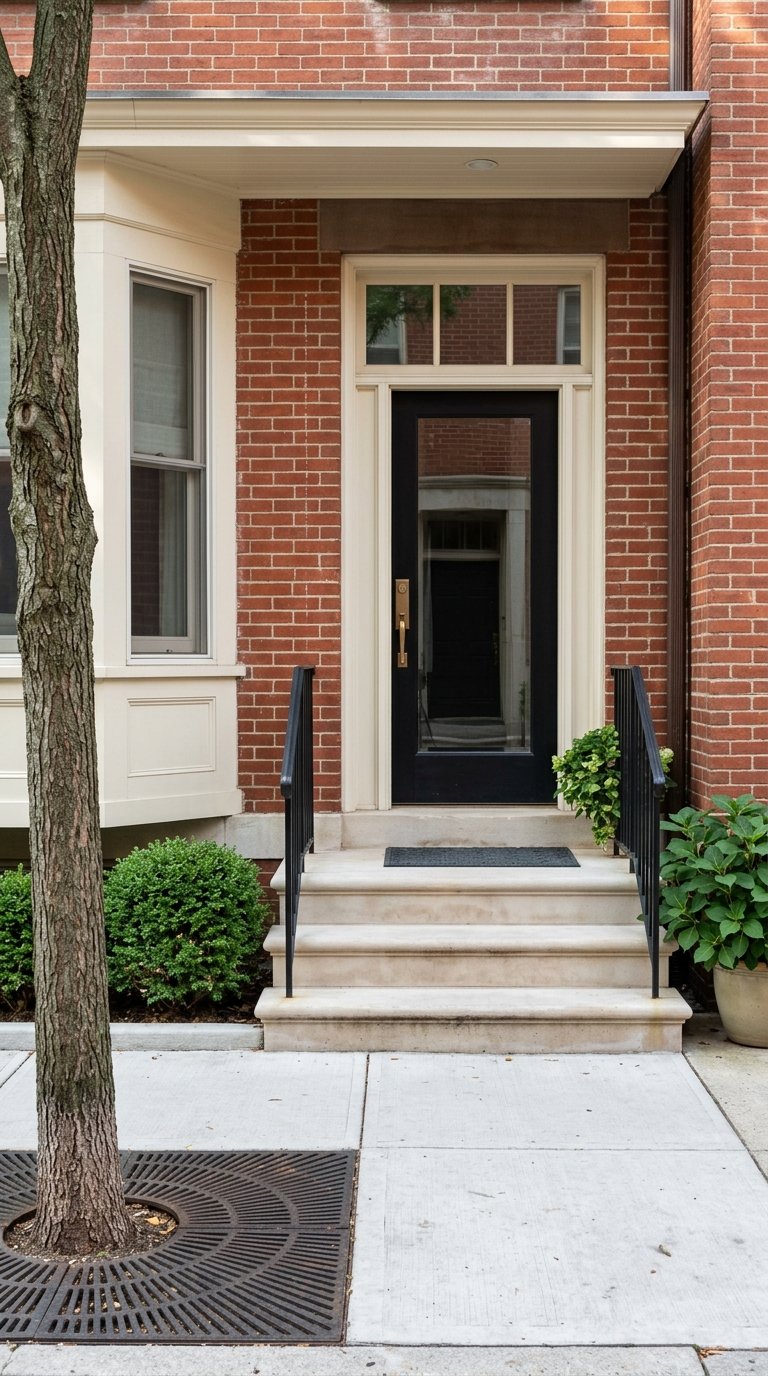
Thinking about Dupont Circle condo or co-op living? The right apartment can give you architecture, walkability, and a true Washington address, but the ownership structure behind the front door matters more here than many buyers expect. In Dupont Circle, your monthly costs, renovation options, and long-term flexibility can all be shaped by the building’s rules, financial health, and historic status. If you want to compare options with more confidence, this guide will help you know what to look for. Let’s dive in.
Why Dupont Circle feels different
Dupont Circle is one of Washington’s most preservation-sensitive housing markets. The Dupont Circle Historic District was established in 1976 and later expanded, with a period of significance from 1875 to 1931. Much of the neighborhood’s character still comes from older mansions, brick rowhouses, and low-scale apartment buildings.
For you as a buyer, that often means condo and co-op choices in architecturally distinctive older buildings rather than newer, more standardized inventory. That can be part of the appeal, especially if you value original details and a strong sense of place. It also means building rules, preservation review, and long-term maintenance deserve close attention.
Condo vs. co-op basics
At a glance, condos and co-ops can look similar. You may tour units with comparable layouts, similar monthly fees, and the same walkable Dupont Circle lifestyle. The difference is in what you actually own and how the building operates.
What you own in a condo
In a DC condominium, you generally own your unit and are responsible for the interior walls and floors. The association manages common areas and building-level operations. Condo fees are typically paid directly to the association, separate from your mortgage payment.
DISB also notes that some associations may assess individual owners for certain damage to the building. That makes insurance responsibilities and the association’s authority especially important to review before you buy.
What you own in a co-op
In a DC co-op, the cooperative housing association owns the real property. You own stock, a membership certificate, or similar evidence of membership, along with a proprietary lease or occupancy agreement that gives you the exclusive right to occupy a specific unit.
This structure can feel more layered than condo ownership because your rights and obligations flow through the co-op’s governing documents. The unit may look like any other apartment, but the legal and financial framework is different.
Monthly costs: look beyond the mortgage
One of the biggest mistakes buyers make is focusing too narrowly on principal and interest. In both condos and co-ops, the full monthly cost matters. Association dues are a separate housing obligation and can significantly change what feels affordable.
Fees can range from a few hundred dollars a month to more than $1,000 a month. In Dupont Circle, where many buildings are older and more complex, it is especially important to ask what those dues actually cover.
What building fees may tell you
A higher monthly fee is not automatically a negative. In some buildings, it may reflect broader building operations, stronger reserve funding, or a more comprehensive approach to maintenance. A lower fee can look attractive at first, but it may leave owners more exposed to future special assessments.
That is why the better question is not just, “How much is the fee?” It is, “What does the fee fund, and how has the building handled major expenses over time?”
Special assessments can change affordability
Special assessments and recurring building obligations deserve just as much attention as the purchase price. In DC condominiums, unpaid assessments can become a lien on the unit, along with applicable interest, late fees, legal fees, and collection costs.
For buyers comparing Dupont Circle buildings, assessment history is a practical window into how the property is run. It can also tell you whether a seemingly manageable monthly budget could become less comfortable later.
Financing and budgeting considerations
Some conventional loan programs can finance both condos and co-ops, subject to eligibility rules. Even so, financing is only part of the picture. Your budget should reflect mortgage costs, monthly dues, insurance obligations, and the possibility of future assessments.
This is particularly important in Dupont Circle, where many buildings are older and may have more active maintenance cycles than newer construction. If you are choosing between two similar units, the stronger financial fit may come from the better-run building rather than the lower asking price.
Building documents matter more than buyers expect
In Dupont Circle, it is wise to think of the building as part of the purchase, not just the unit. A beautiful apartment in a poorly run association can create stress that a polished showing will never reveal. The documents often tell a more complete story.
Condo documents to review
DC condo law requires associations to keep detailed records of receipts and expenditures affecting the operation and administration of the condominium. Owners in good standing can inspect many of those records for a proper purpose.
For you as a buyer, that makes the condo association’s financial records, reserve approach, and assessment history important due-diligence items. DISB also advises buyers to read the bylaws carefully and confirm insurance expectations, including the master policy and the unit owner’s responsibility for insuring interior walls and floors.
Co-op documents to review
For a co-op, the core review documents are usually the proprietary lease, bylaws, and management rules. These documents shape day-to-day ownership in a very direct way. They can affect carrying costs, occupancy rights, and how the building handles administration and owner responsibilities.
If a Dupont Circle co-op participates in DC tax relief programs, you should also confirm whether management handles deadlines reliably. The Office of Tax and Revenue says cooperative homestead deduction eligibility depends on DC domicile, primary-residence use, and annual reconfirmation, with certain senior and disabled relief also requiring recertification on a schedule.
Why a building’s origin can matter
Some buildings may have originated as rental conversions. In DC, the Department of Housing and Community Development’s Conversion and Sales division administers laws governing conversions to condominiums or cooperatives, as well as tenant rights that can arise in that process.
That history can matter because it affects how the building was formed, what documents exist, and how owners understand governance today. In an older Dupont Circle property, this background can offer useful context during due diligence.
Renovation limits in a historic district
Many buyers are drawn to Dupont Circle for exactly what makes it more complex: its historic architecture. If you are considering future updates, the neighborhood’s preservation framework should be part of your decision from the start.
Expect an extra review layer
Because Dupont Circle is within a historic district, owners of historic property should contact the Historic Preservation Office before applying for a permit. The Historic Preservation Office can clear many minor repairs and alterations through expedited review.
That added review process does not mean improvements are impossible. It does mean your renovation timeline and expectations should be grounded in the building’s status and the type of work you hope to do.
Exterior changes face the most scrutiny
The biggest constraints tend to involve visible exterior changes. Historic preservation guidance states that roof additions visible from a public street are generally not appropriate, and in a Dupont Circle case the board found a fifth- and sixth-floor roof addition incompatible with the historic district.
If your wish list includes a roof deck, penthouse-style expansion, or major façade changes, that is not a minor detail to sort out later. It should be part of how you screen buildings before you ever make an offer.
A smart Dupont Circle comparison checklist
When you compare condo and co-op options in Dupont Circle, try to evaluate the building as carefully as the apartment itself.
- Review what you actually own: condo unit ownership versus co-op shares and occupancy rights.
- Ask what the monthly fee covers and whether reserves appear adequate.
- Check for current or recurring special assessments.
- Review bylaws, rules, and insurance responsibilities closely.
- Understand whether the building’s historic status may affect your renovation plans.
- Confirm whether any tax relief program participation requires annual follow-through by management.
- If the property was a conversion, ask how that history may affect documents and governance.
One more structure to know: limited-equity co-ops
Most buyers are comparing market-rate condos with standard co-ops, but there is one niche structure worth noting. DHCD defines limited-equity co-ops as co-ops in which a government agency or nonprofit limits the resale price of membership shares to help keep housing affordable.
If you come across that model in your search, it should be treated differently from a market-rate condo or standard co-op. The ownership experience and long-term resale economics can be materially different because equity growth may be constrained.
The bottom line for Dupont Circle buyers
Condo and co-op living in Dupont Circle can be deeply rewarding if you value architecture, centrality, and a classic Washington setting. But this is a neighborhood where ownership structure, building governance, and historic constraints deserve as much attention as light, layout, and finishes.
The right fit usually comes from matching your lifestyle to the building’s rules, financial approach, and long-term realities. If you buy with that lens, you are far more likely to choose a Dupont Circle home that feels elegant on day one and workable for years to come.
If you are weighing a Dupont Circle condo or co-op and want experienced, discreet guidance on how to compare buildings as well as apartments, Russell Firestone can help you evaluate the details with clarity.
FAQs
What is the difference between a condo and a co-op in Dupont Circle?
- In a DC condo, you generally own the unit itself, while in a co-op the association owns the property and you own shares or membership rights tied to a proprietary lease or occupancy agreement for a specific unit.
Are condo or co-op fees included in a Dupont Circle mortgage payment?
- Usually no. Association dues are typically paid separately from your mortgage, so you should budget for them as a distinct monthly housing cost.
Why do historic district rules matter for Dupont Circle buyers?
- Because Dupont Circle is in a historic district, some repairs and alterations may face an added preservation review layer, especially visible exterior changes.
What documents should buyers review for a Dupont Circle condo?
- Buyers should closely review the bylaws, financial records, assessment history, reserve approach, and insurance expectations, including the master policy and unit-owner responsibilities.
What documents should buyers review for a Dupont Circle co-op?
- Buyers should review the proprietary lease, bylaws, management rules, and any building procedures tied to tax relief program administration or annual recertification.
Can special assessments affect a Dupont Circle condo owner?
- Yes. Special assessments can materially change monthly housing costs, and unpaid condo assessments in DC can become a lien on the unit.
What is a limited-equity co-op in Washington, DC?
- It is a co-op where a government agency or nonprofit limits the resale price of membership shares to help preserve affordability, which can restrict long-term equity growth compared with a market-rate property.