If you want to sell a Georgetown home for the strongest possible result, timing matters, but not in the simple way many sellers assume. In a premium market like Georgetown, the calendar helps, but preparation, pricing, and presentation often matter just as much. If you are wondering when to list for maximum impact, the best answer is usually to get ready early and launch when spring demand is building, not after the market is already crowded. Let’s dive in.
Why timing matters in Georgetown
Georgetown is not a one-size-fits-all market. It includes historic rowhouses, luxury condos, townhouses, and architecturally significant homes, and each can move a little differently depending on condition, price point, and buyer demand. That is why the best listing date is not just about the season. It is also about whether your home is ready to stand out.
Current market data place Georgetown firmly in the premium price tier. Depending on the source and method, recent figures show Georgetown home values and sale prices ranging from about $1.5 million to $2 million, with market conditions described as balanced to somewhat competitive. In practical terms, that means buyers are active, but they are also selective.
Best time to list a Georgetown home
For most Georgetown sellers, the most defensible window is to be market-ready by late February or early March and list between late March and mid-April. That timing lines up with broader spring seasonality, national seller timing trends, and local Washington-area data showing that activity rises as spring begins. If your goal is maximum exposure, this is usually the strongest target.
Washington, DC was already showing a spring pickup in early 2026. Local data reported rising inventory, increased sales activity, and active listings continuing to climb. In February 2026 alone, DC recorded 683 new listings, 385 closed sales, and 2,167 active listings, with an average sold-to-original-list-price ratio of 95.3%.
That matters because it suggests buyers are in the market, but they also have options. In a market like this, listing too late in the season can mean more competition from similar homes. Listing earlier, with a polished launch, can help your property meet buyers before that competition fully builds.
Why late March to mid-April stands out
Spring tends to bring more buyer activity almost everywhere, but Georgetown sellers should think carefully about which part of spring matters most. Listing in the sweet spot between late March and mid-April can put your home in front of buyers as momentum builds, without waiting until inventory has become more crowded.
National guidance has pointed to mid-April as a strong week to sell, while also noting that sellers often face more competition later in the season. That is especially relevant in Georgetown, where buyers are often looking closely at condition, design, and value rather than making rushed decisions.
Why not rush to market
If your home will not be ready for that spring window, it is often better to wait and launch well than to list before the property is fully prepared. In Georgetown, presentation quality can make a real difference. A rushed listing with unfinished repairs, weak photography, or unclear pricing may miss the full benefit of seasonal demand.
This is one reason many luxury sellers begin planning several months in advance. If your home needs contractor work, cosmetic updates, staging, or documentation gathering, those steps can take time. Starting early gives you more control and a calmer process.
How Georgetown buyers behave
Georgetown buyers often behave differently from buyers in a more typical market. At the upper end, many are less sensitive to mortgage rate changes because a meaningful share of luxury purchases happen in cash. Nationally, more than 40% of homes priced above $1 million were all-cash purchases in one recent data set, and more than half of homes between $2 million and $5 million were cash deals.
In the broader DMV luxury market, cash activity has also been significant. Recent reporting showed that 37% of sales above $2 million were all-cash in one period, with earlier snapshots showing similar strength. For you as a seller, that means waiting for a perfect rate environment may not be the best strategy if your likely buyer pool is already financially strong.
Luxury demand is not always seasonal
Spring is still the strongest general window, but Georgetown’s luxury segment can produce serious activity outside the usual peak season. In the Washington market, high-end demand has sometimes clustered around political, corporate, or relocation events. Recent reporting also showed a spike in very high-end sales in late fall and early winter in the region.
That does not mean every Georgetown seller should target the off-season. It means an exceptional property can still attract attention beyond spring if it is priced correctly and presented at a high level. For most homes, spring is still the broadest exposure window. For standout properties, timing can be a little more flexible.
Property type changes the strategy
Not every Georgetown listing should follow exactly the same timing plan. A historic townhouse, a renovated single-family home, and a luxury condo may all attract different buyer behavior. That is especially important in a neighborhood with diverse housing stock and a wide range of price points.
Condo sellers, in particular, should pay close attention to timing and competition. Local and regional data show that the DC condo segment has been more inventory-heavy than detached homes, with slower overall conditions in recent years. That makes early timing, careful pricing, and polished presentation even more important if you are selling a Georgetown condo.
Townhouses and historic homes
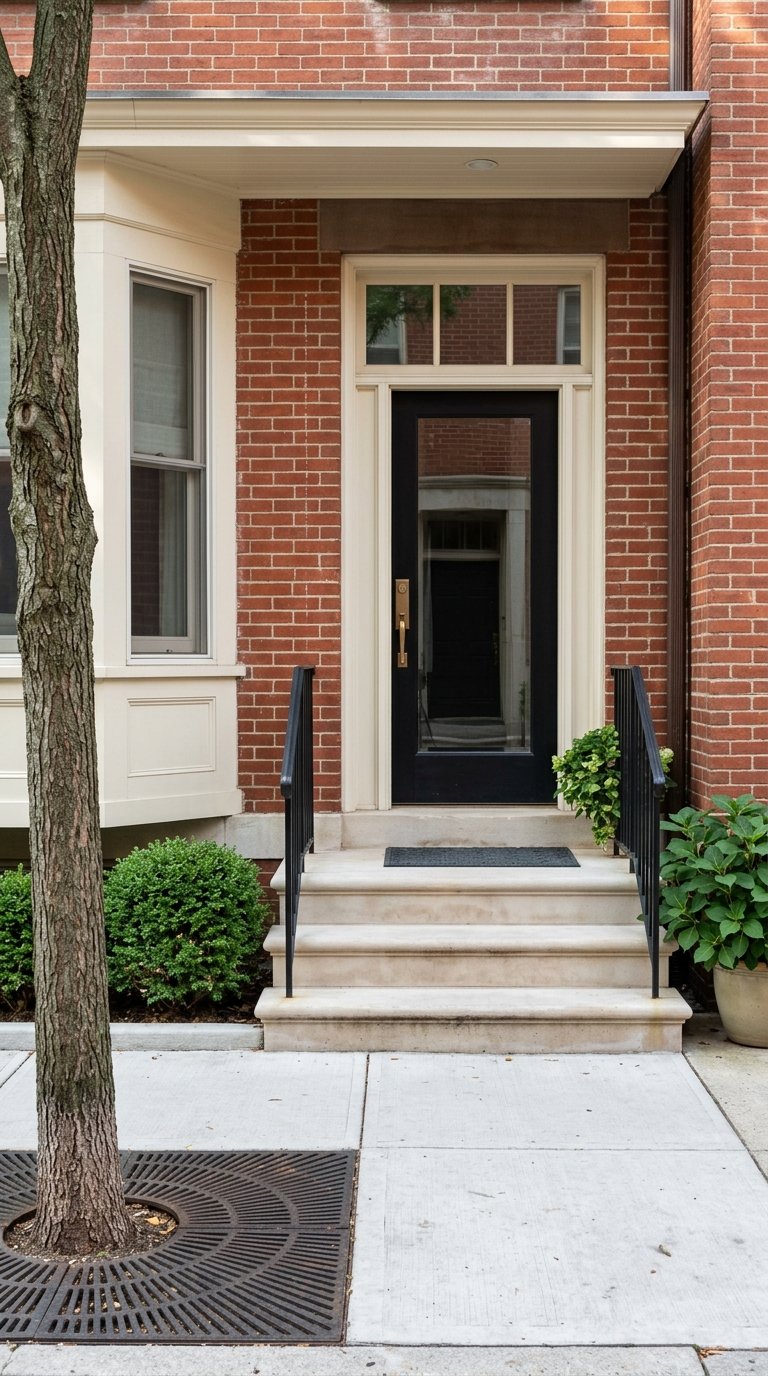
Townhouses and historic homes often benefit from a strong spring launch because buyers shopping these properties tend to pay close attention to architecture, light, outdoor space, and overall condition. These homes often need thoughtful preparation to show their value clearly. If your property has original details, custom renovations, or unique features, a rushed listing can undersell what makes it special.
Condos and supply-sensitive listings
For condos, the challenge is often choice. Buyers may be comparing several options at once, and they can be more price-sensitive when inventory is higher. In that setting, the right list date still matters, but crisp positioning matters even more.
What to do before you list
The strongest Georgetown listings are rarely the fastest to market. They are usually the best prepared. If you want maximum impact, your timeline should include enough room to address repairs, improve presentation, and launch with clear marketing.
A six- to twelve-month planning horizon is reasonable for many luxury sellers. That may sound long, but it allows time for contractor scheduling, decluttering, painting, staging decisions, photography, and gathering property information. For remote owners or busy households, that extra runway can be especially valuable.
Fix issues before buyers find them
A pre-sale inspection is not required, but it can help identify issues before they become negotiation problems. In Georgetown, this can be especially useful for older or historic properties where deferred maintenance may affect buyer confidence. Roofs, HVAC systems, windows, exterior masonry, and visible wear are all worth evaluating early.
Addressing key issues before launch can make your listing feel more credible and more move-in ready. It can also reduce the chance that a promising contract becomes a repair negotiation later.
Focus on presentation
Cleanliness, decluttering, and curb appeal still matter, even at the luxury level. Simple improvements like refreshed paint, cleaned windows, sharper lighting, and an inviting entry can change how buyers experience the home. These details are often the difference between a home that feels merely available and one that feels compelling.
Staging also has a clear role. Recent industry reporting found that staged homes often received stronger offers and spent less time on market. The rooms with the biggest impact were the living room, primary bedroom, and kitchen, which makes sense in Georgetown, where buyers often respond strongly to layout, scale, and finish quality.
Invest in photography and launch quality
Photos, video, and virtual tours remain highly important to buyers. That matters even more in a luxury neighborhood, where many buyers begin their search online and quickly filter out anything that feels under-marketed. A polished launch can help your home make a strong first impression before a buyer ever steps inside.
Should you wait for a better market?
Not necessarily. Sellers often wonder whether they should hold off for lower rates or stronger conditions. But in Georgetown, where many buyers are affluent and a meaningful share of luxury transactions involve cash, the better question is usually whether your home is ready to outperform current competition.
If your property is prepared, priced with discipline, and launched in the right window, you may not need a perfect market to achieve a strong result. If it is not ready, waiting can make sense. The key is to wait for readiness, not just for headlines.
A simple Georgetown timing plan
If you want a practical way to think about timing, this framework can help:
- Six to twelve months out: evaluate repairs, gather documents, and start planning presentation work
- Two to four months out: declutter, schedule contractors, refine pricing strategy, and prepare staging
- A few weeks before launch: complete photography, finalize marketing materials, and make sure the home shows cleanly and confidently
- Best target launch window: late March through mid-April for the broadest spring exposure
- If you miss that window: do not rush. Launch when the home is truly ready
In Georgetown, maximum impact usually comes from the combination of timing and polish. Spring gives you momentum, but preparation is what helps you use that momentum well.
If you are considering a sale in Georgetown, the right strategy starts earlier than most people expect. Thoughtful timing, careful preparation, and a measured launch can make a meaningful difference in a market where buyers notice detail. To plan your next move with discretion and local insight, connect with Russell Firestone.
FAQs
When is the best month to list a Georgetown home?
- For most sellers, late March through mid-April is the strongest listing window because spring buyer activity is building and competition may be more manageable than later in the season.
Should Georgetown sellers wait for lower mortgage rates before listing?
- Not always. In Georgetown’s luxury segment, many buyers are less rate-sensitive, and a meaningful share of high-end transactions are all-cash, so preparation and pricing may matter more than waiting for rate changes.
How early should you prepare a Georgetown home for sale?
- A six- to twelve-month planning window is reasonable for many Georgetown sellers, especially if the home needs repairs, staging, decluttering, or detailed launch planning.
Is spring always the best season to sell a Georgetown property?
- Spring is usually the best general window for broad exposure, but exceptional Georgetown homes can still attract serious buyers in late fall or winter when demand is tied to relocation or other high-end market events.
Does the best listing time differ for Georgetown condos and townhouses?
- Yes. Georgetown condos may face more competition from available inventory, which makes early timing and sharp pricing especially important, while townhouses and historic homes often benefit from a polished spring launch that highlights architecture and condition.