By Russell Firestone
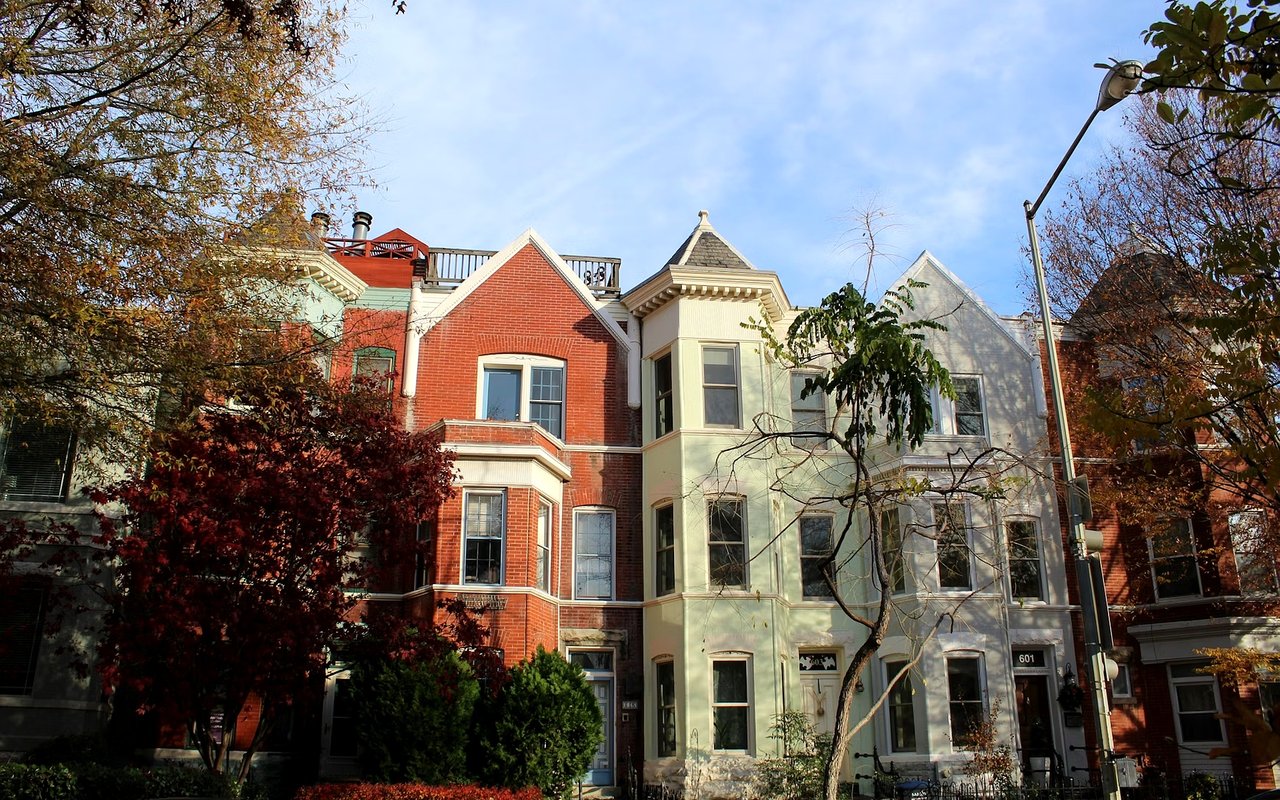
Selling a home for the first time usually feels manageable once the sequence becomes clear. In Washington, DC, that sequence often includes preparing a Capitol Hill rowhouse for photos, pricing a Dupont Circle condo against its true competition, or timing the launch of a Georgetown property around the rhythm of weekend foot traffic and neighborhood appeal.
The process moves through staging, pricing, showings, negotiations, and closing, and each step carries more weight when the property sits in a market with block-by-block differences.
Key Takeaways
-
Preparation: Get the home ready before it hits the market.
-
Pricing: Use the exact micro-market, not a broad city average.
-
Presentation: Highlight the architecture and daily lifestyle.
-
Timing: Keep every deadline visible from launch to closing.
Start With Preparation, Not Panic
The first phase is about creating order inside the home and on the calendar.
The prep work I handle first
-
Decluttering: Clear surfaces, closets, and storage areas so the layout reads cleanly.
-
Touch-up work: Fresh paint, repaired hardware, and working light fixtures help the home feel cared for.
-
Deep cleaning: Windows, floors, kitchens, and baths should present crisply in person and in photos.
-
Paperwork: Utility records, renovation receipts, condo documents, and manuals should be gathered early.
This stage creates the visual and practical foundation for everything that follows.
Price the Property by Neighborhood, Not Assumption
Washington, DC rewards precise pricing because the market shifts quickly from one neighborhood to the next.
The pricing factors I weigh most carefully
-
Micro-location: The exact block, view, and street character matter a great deal.
-
Property type: Condo, co-op, rowhouse, and detached home each follow a different pattern.
-
Condition: Updated kitchens, baths, and systems influence value immediately.
-
Lifestyle pull: Walkability, outdoor space, parking, and architectural character shape appeal.
A disciplined price creates confidence from the first online search.
Present the Home in a Way That Fits DC Architecture
Presentation works best when it supports the architecture already in place.
The features I like to emphasize
-
Entry sequence: A clean foyer, polished stairs, and crisp first view set the tone quickly.
-
Natural light: Open drapery lines and brighter rooms help the floor plan feel more expansive.
-
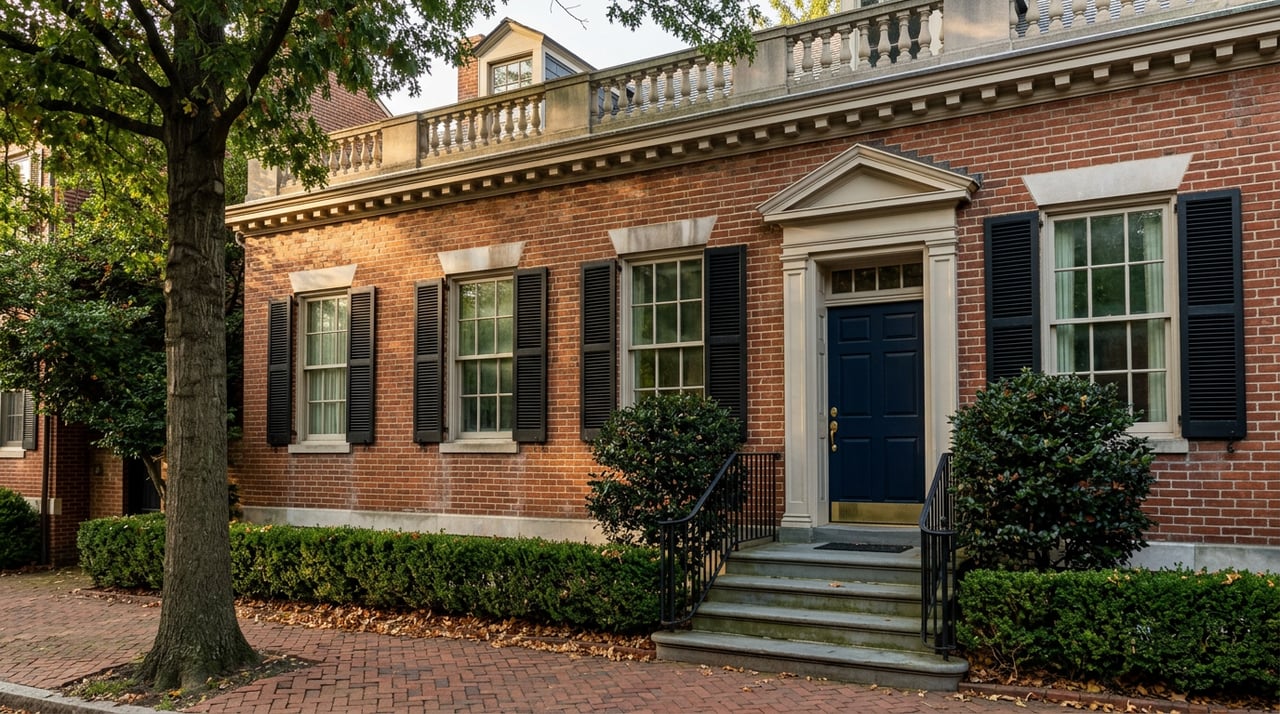
Original details: Fireplaces, moldings, pocket doors, and tall windows deserve a clear stage.
-
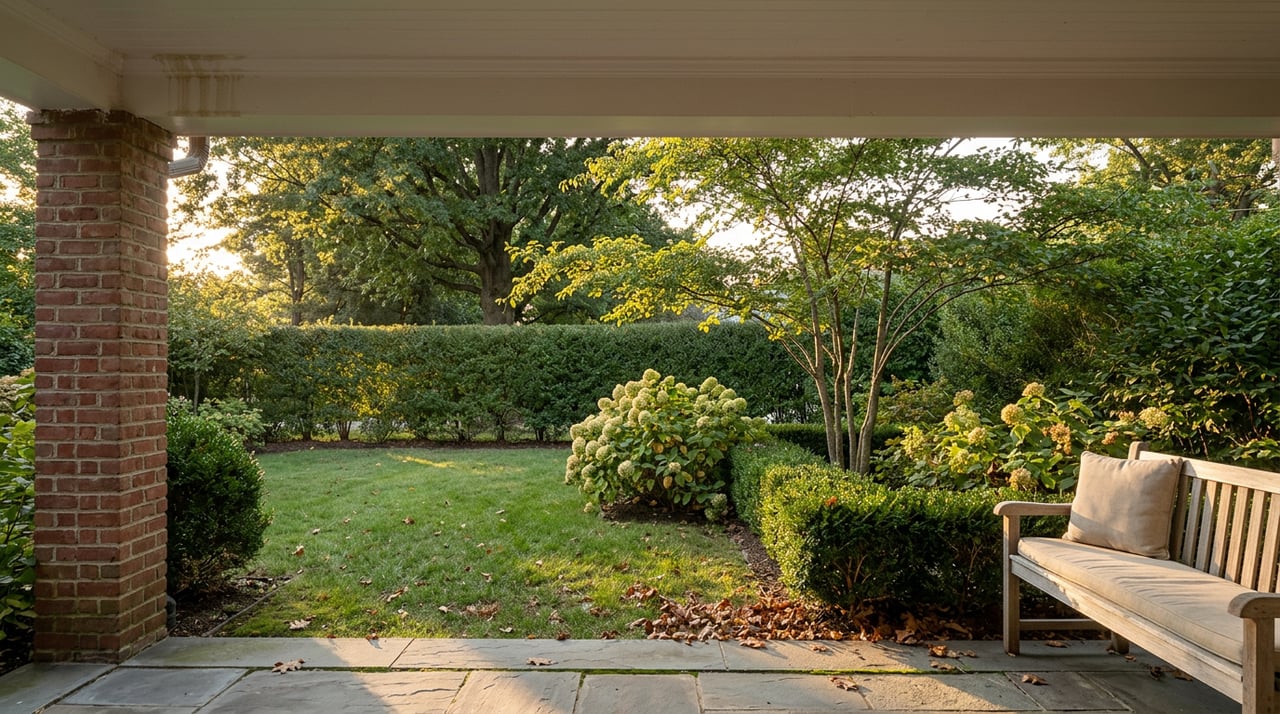
Outdoor space: Courtyards, terraces, roof decks, and small gardens add meaningful value in the District.
This kind of presentation helps the home feel emotionally legible within moments.
Launch With a Showing Plan That Respects Daily Life
The listing launch should feel intentional rather than chaotic.
The showing structure I set up early
-
Showing windows: A defined schedule helps the week feel more predictable.
-
Daily reset: Beds, counters, lighting, and entry areas should follow a simple checklist.
-
Access details: Lockbox, concierge coordination, and pet planning need to be settled in advance.
-
Weekend focus: Open houses and private showings often benefit from a clear neighborhood strategy.
A reliable routine keeps the process far more comfortable once the first appointments begin.
Evaluate Offers With More Than Price in Mind
The highest number is only one part of the story once offers arrive.
The terms I compare on every offer
-
Price: The offer amount should be read in the context of the market response.
-
Financing: Lender quality, down payment, and proof of funds all matter.
-
Contingencies: Inspection, appraisal, and home-sale language affect certainty and pace.
-
Closing timeline: Settlement date, possession, and flexibility shape the entire move.
I review financing, contingencies, timing, and overall clarity with the same attention I give the headline price, especially when the home sits in a competitive area like Dupont Circle, Capitol Hill, or Shaw.
FAQs
How early should I start preparing my home before listing it?
I usually recommend starting several weeks before the launch so repairs, painting, paperwork, and staging can happen with enough breathing room.
Does every Washington, DC neighborhood require a different selling strategy?
Yes, because a Georgetown townhouse, a Dupont Circle condo, and a Cleveland Park detached home attract attention for different reasons.
What usually surprises first-time sellers the most?
The number of small decisions tends to surprise people more than the major milestones. Once the timeline is organized and each deadline is easy to see, the process usually feels much more manageable.
Contact Russell Firestone Today
Washington, DC is a market where architecture, block-by-block identity, and ownership structure all influence the result.
Reach out to me, Russell Firestone, today, and I will help you shape a selling strategy that respects the character of your home, the rhythm of your neighborhood, and the expectations of this distinctive city.
Reach out to me, Russell Firestone, today, and I will help you shape a selling strategy that respects the character of your home, the rhythm of your neighborhood, and the expectations of this distinctive city.