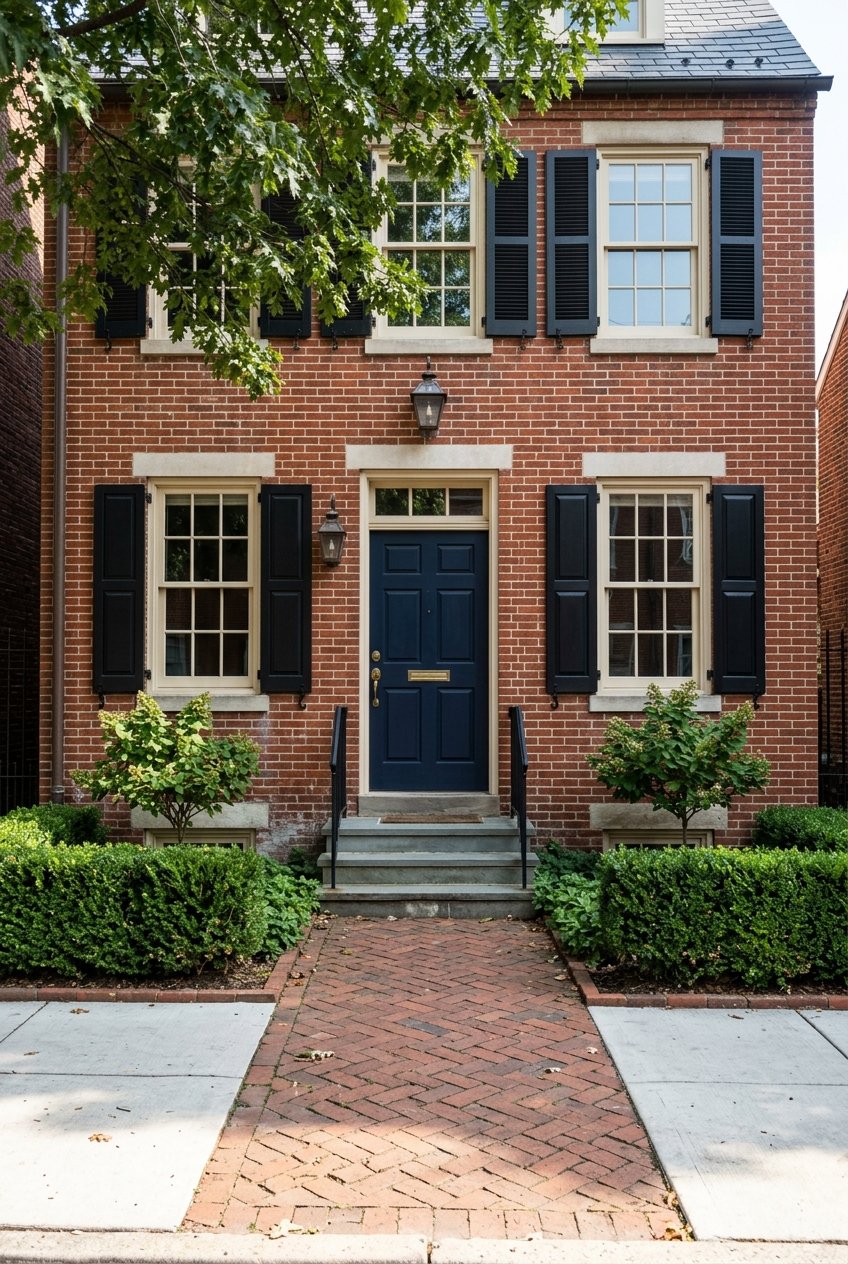
Wondering whether a Georgetown rowhouse or a luxury condo is the better fit? In this neighborhood, the choice is about more than square footage or style. It often comes down to how you want to live day to day, how much control you want over your property, and how much responsibility you are willing to take on. If you are weighing both options, this guide will help you compare the lifestyle, costs, and practical tradeoffs that matter most in Georgetown. Let’s dive in.
Why Georgetown Changes the Equation
Georgetown is not a typical urban neighborhood, and that shapes this decision right away. It is Washington’s oldest active neighborhood, with residential streets north of M Street that include homes dating to the 18th century. You are choosing between property types within a place defined by history, walkability, and a strong sense of architectural character.
The neighborhood’s layout also matters. Georgetown sits between the Potomac River and Rock Creek, and it does not have its own Metro station. The nearest stations are Foggy Bottom-GWU and Rosslyn, both within walking distance, so your routine may depend more on walking, driving, or rideshares than in other parts of DC.
Lifestyle varies by location within Georgetown as well. Buyers who want to be near M Street, Wisconsin Avenue, and the waterfront often find luxury condos especially appealing because they place you close to shopping, dining, park space, and river activity. Buyers who prefer quieter, more private surroundings may lean toward rowhouses on the neighborhood’s tree-lined residential streets.
What a Georgetown Rowhouse Offers
A rowhouse is usually the closer equivalent to owning a traditional house. You have more control over your home, more privacy, and fewer shared spaces. For many buyers, that autonomy is the biggest advantage.
In Georgetown, rowhouses also come with the appeal of historic architecture and a more distinctly residential setting. If you value original details, a private entrance, and the ability to shape the property over time, a rowhouse often delivers that experience better than a condo. It can feel more personal and more permanent.
That said, ownership comes with full responsibility. DC requires property owners to keep their buildings in safe and sound condition, which means repairs, upkeep, and project management fall more directly on you. There is no shared building structure to spread out those obligations.
Rowhouse Pros
- More privacy and fewer shared walls or common areas
- Greater control over the property
- Stronger house-like feel
- Better fit for buyers who value historic architecture and individual character
- More flexibility over time for personalization, subject to review requirements
Rowhouse Tradeoffs
- You handle more maintenance directly
- Exterior changes may require review and time
- Repair costs are not shared through a building association
- Projects can become more complex in a historic district setting
Historic Review Matters More Than Many Buyers Expect
This is one of the biggest differences in Georgetown. The Georgetown Historic District was created in 1950 and follows a separate review path for most exterior work. Exterior construction visible from a public street or alley is typically reviewed by the Commission of Fine Arts and the Old Georgetown Board, while non-visible exterior work goes through the District’s preservation process.
Interior alterations are generally not subject to historic preservation review. That is important because it means the level of oversight depends heavily on the kind of work you want to do. If your plans are mostly inside the home, the path may be much more straightforward than if you want to alter the exterior.
If you are thinking about a roof deck, a front facade change, a visible addition, new roof elements, solar features, or a driveway change, a Georgetown rowhouse may involve more time, approvals, and cost than you expect. For some buyers, that is a reasonable tradeoff for owning a historic home. For others, it is a sign that condo living may be simpler.
What a Georgetown Luxury Condo Offers
A luxury condo offers a different kind of ownership. In DC, you own your individual unit along with an undivided interest in the common elements. The condo association can adopt budgets and reserves, collect assessments, regulate common elements, and in some cases restrict leasing.
For many buyers, the appeal is convenience. Exterior maintenance and management of shared areas are handled through the building structure, so ownership often feels more centralized and less hands-on than a full-house property. If you want a more streamlined routine, this can be a major advantage.
Luxury condos in Georgetown can be especially attractive if you want to spend more time enjoying the neighborhood and less time dealing with property upkeep. They often fit buyers who prioritize access to the commercial core and waterfront over the independence of whole-house ownership.
Condo Pros
- Shared building management
- Less exterior upkeep for you to handle directly
- Simpler day-to-day ownership structure
- Fewer preservation concerns for interior changes compared with a rowhouse exterior project
- Strong fit for buyers who want convenience near Georgetown’s retail and waterfront areas
Condo Tradeoffs
- Less control over the broader building environment
- Monthly condo fees affect carrying costs
- Special assessments may occur
- Association rules can shape how you use the property
- Leasing may be restricted in some buildings
The Real Cost Comparison
The purchase price alone rarely tells the full story in Georgetown. In DC, the current residential real property tax rate for Class 1A property is $0.85 per $100 of assessed value, and that rate can change from year to year. That means a higher-value rowhouse may carry a meaningfully larger tax bill even without condo dues.
A condo may appear less expensive at first glance, but the monthly fee changes the equation. Condo fees help fund maintenance of common elements, insurance, budgets, and reserves. As a result, a lower purchase price does not automatically mean a lower monthly cost.
A rowhouse shifts those costs in a different direction. Instead of paying monthly dues, you are often paying directly for repairs, upkeep, and project management as they arise. For some buyers, that feels more flexible. For others, it creates too much uncertainty.
A Simple Way to Compare Monthly Ownership
When you evaluate a Georgetown rowhouse and a luxury condo, compare:
- Property taxes
- Condo dues, if applicable
- Insurance responsibilities
- Expected maintenance and repair costs
- Parking-related costs or constraints
This kind of side-by-side review usually gives you a much clearer answer than headline price alone.
Insurance and Responsibility Are Different
Condo buyers should understand that convenience does not mean zero responsibility. DC insurance guidance says unit owners are responsible for the interior walls and floors of the unit if they are damaged, and owners should review bylaws carefully to understand coverage minimums and other requirements. Associations may also have authority to assess owners for certain building damage.
That means your financial exposure in a condo is shared, but it is not eliminated. You still need to understand what the building covers, what your own policy must cover, and how the association handles major issues. This is a key part of condo due diligence.
With a rowhouse, the responsibility is more direct and easier to understand in one sense because the property is yours to maintain. The tradeoff is that you are not spreading those risks and obligations across a larger building structure.
Lifestyle Questions That Clarify the Right Choice
The best decision often becomes clear when you focus on how you plan to live, not just what looks best on paper. Georgetown offers both quiet residential blocks and lively areas near the waterfront and retail corridors, so your preferred routine matters.
If you want the closest thing to a house, maximum privacy, and more freedom to shape your home over time, a rowhouse usually wins. If you want a simpler routine, shared management, and less direct responsibility for the building envelope and common areas, a condo usually wins.
Parking and mobility should also be part of the conversation. Georgetown has no Metro station of its own, though nearby stations are walkable, and the BID notes 20 lots and garages with more than 3,800 spaces. If you rely on a car, parking convenience may weigh more heavily in your decision than it would in another DC neighborhood.
Due Diligence Checklist for Each Option
Before you commit, make sure your questions match the property type.
If You Are Considering a Rowhouse
- What exterior or structural work do you expect to do in the next few years?
- Would any planned changes be visible from a public street or alley?
- Are you comfortable managing repairs and ongoing upkeep yourself?
- Does the property’s privacy and independence justify the added responsibility?
If You Are Considering a Luxury Condo
- What do the budget and reserves look like?
- What does the monthly fee cover?
- How is insurance responsibility divided between the association and the unit owner?
- Are there leasing or use restrictions in the bylaws?
- Is the building’s management style a fit for your expectations?
Which One Is Usually the Better Fit?
A Georgetown rowhouse is often the better fit if you want privacy, control, and a more traditional house experience. It tends to suit buyers who appreciate historic homes and are comfortable with the upkeep and possible review process that can come with visible exterior changes.
A Georgetown luxury condo is often the better fit if you want ease, shared management, and a more predictable routine. It tends to work well for buyers who value convenience, walkability to Georgetown’s core, and a lower-touch ownership model.
Neither choice is universally better. The right answer depends on whether you value autonomy more than simplicity, and whether your plans for the property align with Georgetown’s unique historic and practical realities.
If you are weighing a Georgetown rowhouse against a luxury condo, local context matters. Russell Firestone brings a refined understanding of Georgetown’s housing stock, buyer priorities, and property-specific tradeoffs to help you make a confident decision.
FAQs
What is the main difference between a Georgetown rowhouse and luxury condo?
- A Georgetown rowhouse usually offers more privacy and control, while a luxury condo usually offers more convenience through shared management, common maintenance, and building rules.
How do Georgetown historic district rules affect rowhouse buyers?
- Exterior work visible from a public street or alley is typically subject to review, which can affect the timing, cost, and feasibility of changes such as roof decks, facade work, additions, or parking modifications.
Are Georgetown luxury condos easier to maintain than rowhouses?
- In many cases, yes. Condo ownership distributes maintenance responsibilities through the association, though you still need to understand your unit-level insurance and any potential assessments.
How should Georgetown buyers compare rowhouse and condo costs?
- Look beyond purchase price and compare property taxes, condo dues, insurance obligations, likely maintenance costs, and parking-related expenses to understand total monthly ownership costs.
Can a Georgetown condo limit future rentals?
- Yes. DC law allows condo associations to reasonably restrict leasing of residential units, so you should review the bylaws carefully if future rental flexibility matters to you.
Is parking an important factor when choosing property in Georgetown?
- Yes. Georgetown does not have its own Metro station, so your parking needs, walking habits, and reliance on a car can play a meaningful role in whether a rowhouse or condo feels more practical.