When the broader housing market cools, you might expect every price tier to slow down the same way. In Washington, that usually is not what happens. The luxury segment often follows its own rhythm, shaped by local wealth, limited standout inventory, and buyers who can move with less sensitivity to mortgage rates. If you are buying or selling at the high end, understanding that difference can help you make better decisions. Let’s dive in.
Why Washington luxury behaves differently
Washington’s luxury market is not defined by one fixed number. Recent reporting placed the metro’s entry-level luxury threshold around $1.45 million, while Bright MLS reported a second-quarter 2025 luxury benchmark closer to $1.8 million for the top 5% of prices. In other words, luxury here is best understood as a moving top tier rather than a static price point.
That matters because the top of the market is supported by a different buyer pool than the broader market. Washington’s role as the nation’s policy hub creates a deep base of high-income households connected to government, defense, contracting, and related industries. That concentration of wealth helps the upper end stay more active even when higher rates or economic uncertainty slow down other parts of the market.
Affluent buyers also tend to be less rate-sensitive. Research cited by Redfin notes that many luxury buyers are more likely to pay cash or borrow less, which reduces the impact of borrowing costs. In a market like Washington, that can keep demand alive for the right property even when mainstream buyers pull back.
Luxury moves on local demand
The luxury segment in Washington behaves less like a national trend line and more like a tightly segmented local asset class. Broad headlines may say the market is slowing, but that does not mean every luxury home is affected in the same way. Neighborhood, condition, privacy, and property type often matter more than the mood of the wider market.
This is one reason the high end can feel surprisingly active during slower periods. Realtor.com found that 17.4% of Washington listings were priced at $1 million or more, which points to unusually deep high-end inventory compared with many markets. Even so, those luxury homes were spending a median 55 days on market, faster than the national luxury benchmark of 83 days.
At the same time, resilience does not mean immunity. Early 2026 data showed declines in top pricing percentiles, with the 90th percentile down 9.4% year over year, the 95th down 10.7%, and the 99th down 18.0%. That tells you the luxury market can soften, but it usually does so in a more selective and uneven way than the rest of the market.
What the latest numbers show
Recent regional data shows a luxury market that is still moving, even with some cooling. Bright MLS reported that in the second quarter of 2025, the D.C. region’s luxury threshold was about $1.8 million. Median days on market were just 11, 25.1% of luxury sales closed above list price, and about one-third of luxury sales were all-cash.
Those numbers help explain why sellers should not rely on broad market headlines alone. A home that is well-located, well-prepared, and priced correctly can still move quickly. A home that misses the mark on presentation or pricing may sit much longer, even in the same general area.
There are also signs of a more tempered pace. The Washington Post reported that luxury sales fell 4% in the final three months of 2025 compared with the prior year, and active listings were down nearly 20%. Sales above $3 million were also down roughly 20% in the first two months of 2026, suggesting a softer start despite record prices still being achieved in select cases.
Private sales shape the luxury market
One reason Washington luxury can appear quieter than it really is is that not all activity shows up in the same public way. Reporting from The Washington Post noted that Bright MLS relaxed a rule in August 2024 that had required listings to go public within a day of public marketing. That made private or pocket-style marketing easier at the upper end.
This matters if you are trying to read the market from listing portals alone. In Washington’s luxury tier, some buyers and sellers prefer more privacy and discretion. The same reporting noted that LLCs, trusts, and nondisclosure agreements are more common in high-end transactions, which can make luxury activity less visible in standard data.
For buyers, that means some opportunities may never feel fully public. For sellers, it means strategy matters. The right approach depends on the property, the seller’s goals, and whether broad exposure or a more discreet path is the better fit.
Political cycles can create bursts of activity
Washington is not a one-factor market, but political transitions can clearly influence luxury demand. Axios reported that 87 Washington-area homes closed at $5 million and up in 2024, up 64% from 2023. Ten sales closed at $10 million and up, and 17 of those $5 million-plus closings happened in November and December.
That kind of year-end surge shows how quickly momentum can build in this market. Changes in administration, new arrivals, and stronger confidence can all accelerate luxury demand in a short window. It does not mean every election cycle produces the same result, but it does reinforce how Washington’s high end responds to local dynamics more than national averages.
Where luxury demand is strongest
Luxury demand in Washington is highly neighborhood-specific. Axios reported that Kent had the highest median home price in the District in 2024 at $2.6 million, and the ten priciest neighborhoods remained in Northwest D.C. Kent, Berkley, Burleith, and Spring Valley each posted median sales prices above $2 million.
Recent zip-code data shows the same concentration. In the second quarter of 2025, Bright MLS reported 60 luxury sales in Georgetown’s 20007 and 45 in 20016. Outside the District, there were 75 in McLean’s 22101, 61 in Bethesda’s 20817, 52 in Potomac’s 20854, and 43 in Chevy Chase’s 20815.
Just as important, luxury sales make up a large share of activity in some of these areas. WTOP reported that 42% of sales in 20007 and 38% in 22101 were classified as luxury during that quarter. That concentration helps explain why prime neighborhoods can remain competitive even when the broader market feels slower.
What buyers are really paying for
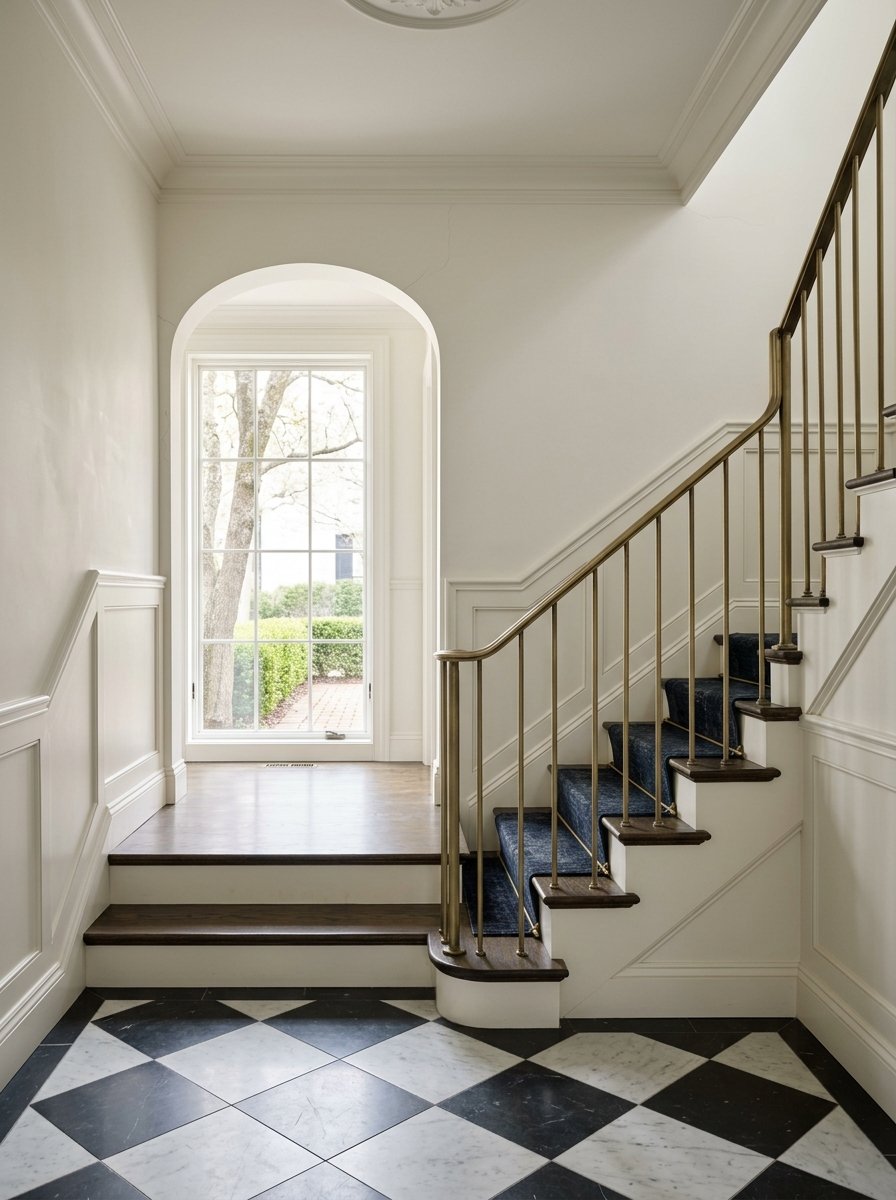
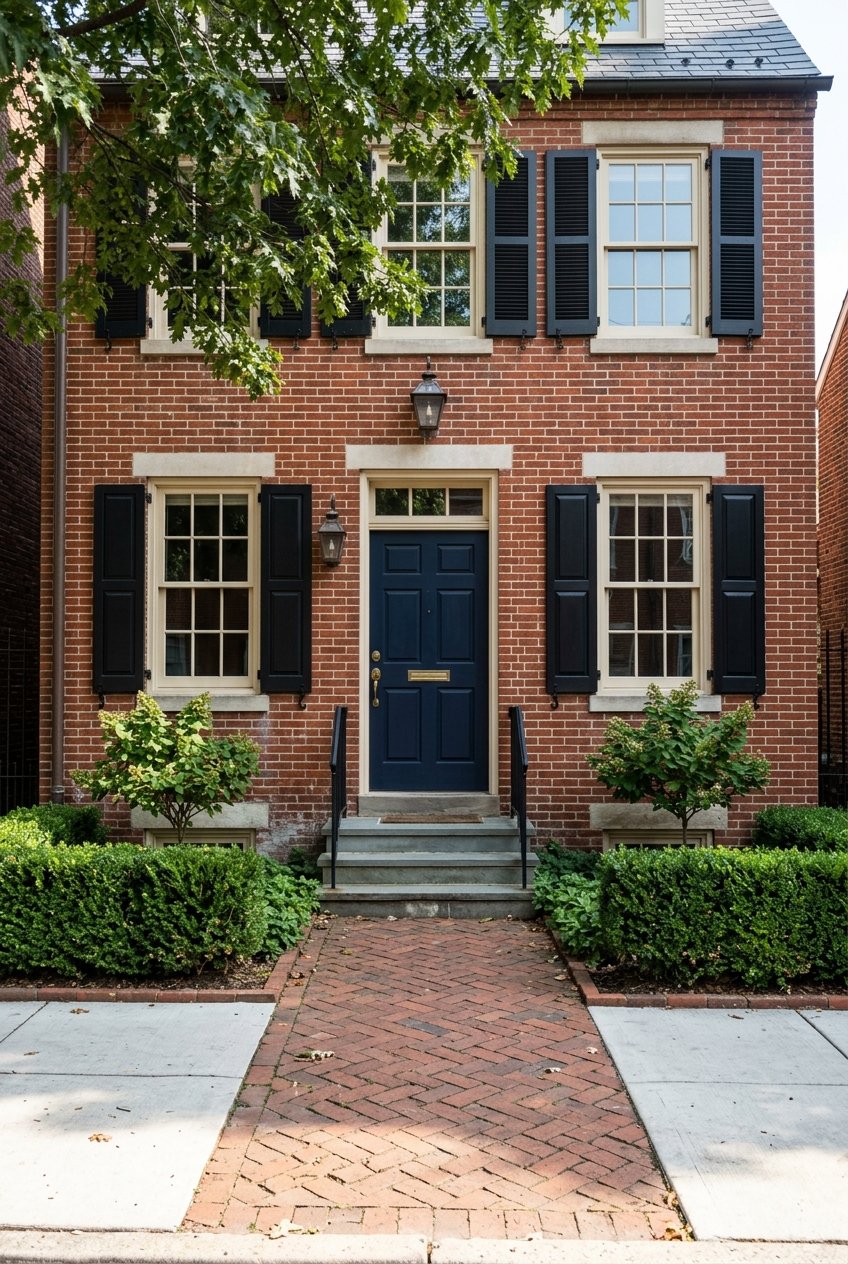
Washington luxury is not one product type. Realtor.com found that 28.1% of luxury listings were built in the 2020s, while 23.4% were built before 1950. That means the upper bracket includes everything from renovated historic rowhouses and classic brick Colonials to newer condos and larger estates.
Because the housing stock is so varied, buyers at the top tend to focus on fit and function as much as status. Reporting from The Washington Post noted strong demand for homes with pools, large kitchens with prep areas, generous outdoor entertaining space, and features like golf simulators. Post-pandemic preferences for indoor-outdoor living and larger gathering spaces have also persisted.
In practical terms, buyers are often paying a premium for turnkey condition, privacy, and a very specific location. Two homes can be priced similarly and perform very differently based on block, layout, finishes, and how well the property aligns with what today’s luxury buyer wants.
What this means if you are selling
If you are selling in Washington’s luxury market, preparation and positioning matter more than ever. Even in a resilient segment, buyers are selective. A polished presentation, strong pricing strategy, and neighborhood-specific marketing plan can make a meaningful difference in how quickly a home sells and how well it performs.
This is especially true in prime areas such as Georgetown, Kalorama, Wesley Heights, Spring Valley, Kent, McLean, Bethesda, and Chevy Chase. Research suggests that well-located, move-in-ready homes in these areas can still attract fast interest. By contrast, overpricing or bringing a dated property to market without a clear strategy can lead to a longer and less forgiving sales cycle.
Luxury sellers should also remember that not every property benefits from the same approach. Some homes need maximum exposure. Others may call for a more discreet strategy. In Washington, where privacy often matters, tailoring the plan to the property is part of what separates an average outcome from a strong one.
What this means if you are buying
If you are buying, a slower overall market does not automatically mean an easy luxury search. Some homes still attract multiple interested buyers, especially when they are turnkey and in one of the most established high-end neighborhoods. Other listings may sit, creating opportunities for more measured negotiations.
This is where local context becomes essential. Broad supply may be rising across the metro, but Bright MLS reported in July 2025 that single-family detached inventory remained limited even as attached homes and condos reached or exceeded pre-pandemic inventory levels. The same report said the District and close-in suburbs were the strongest parts of the market.
For you, that means strategy should match the property type and location. A luxury condo, a renovated Georgetown rowhouse, and a detached home in McLean may each operate on different timelines. The buyers who do best in this market are usually the ones who understand those differences before they start making offers.
The bottom line on Washington luxury
When other parts of the housing market slow down, Washington luxury often keeps moving because the drivers are different. Local wealth concentration, cash-heavy demand, private-sale activity, and intense neighborhood-level preferences all help insulate the top end from broader trends. But the market is still selective, and success depends on reading the details rather than relying on national headlines.
If you are planning a move in Washington’s luxury market, clear strategy matters. The right advice can help you understand whether your property is likely to move quickly, where buyers are still competing, and how to position yourself in a market that rarely behaves like the average.
If you want thoughtful, discreet guidance tailored to Washington’s premium neighborhoods, Russell Firestone can help you navigate the market with precision and confidence.
FAQs
What price range counts as luxury in Washington, DC?
- In the Washington region, luxury is usually measured as a top percentage of the market rather than one fixed price. Recent reports placed the entry-luxury threshold around $1.45 million, while Bright MLS reported a luxury benchmark near $1.8 million in second-quarter 2025.
Why does the Washington luxury market stay active when other segments slow?
- Washington’s upper-end market is supported by a deep pool of high-income buyers tied to government, defense, contracting, and related industries. Many luxury buyers are also less sensitive to mortgage rates because they are more likely to pay cash or finance less.
Which Washington neighborhoods have the strongest luxury market activity?
- Recent reporting shows strong luxury concentration in Georgetown, Kent, Spring Valley, Berkley, Burleith, and other Northwest D.C. neighborhoods, along with nearby markets such as McLean, Bethesda, Potomac, and Chevy Chase.
Are luxury homes in Washington still selling quickly?
- Many are, especially when they are well-located and turnkey. Bright MLS reported median days on market of just 11 for the region’s luxury segment in second-quarter 2025, though performance still varies by neighborhood, condition, and pricing.
Are private sales common in Washington’s luxury market?
- Yes, private or pocket-style marketing plays a meaningful role at the high end. Some transactions also involve trusts, LLCs, or nondisclosure agreements, which can make luxury activity less visible in public listing data.
What should luxury sellers in Washington focus on right now?
- Sellers should focus on accurate pricing, strong presentation, and a strategy tailored to the property and neighborhood. In a selective market, turnkey homes in prime locations can perform well, while overpriced or dated homes may take longer to sell.