By Russell Firestone
Georgetown homes have a way of making the design question different than what people expect. It's easier because the architecture does most of the work: the proportions are good, the details are real, and the bones were built by craftsmen who took those things seriously. It can also be difficult because a Federal rowhouse from 1825 has opinions about how it wants to be furnished, and ignoring them tends to show.
I've walked through enough Georgetown interiors to know that the most successful ones are the ones that listened.
Key Takeaways
- Traditional Federal: Georgetown's pre-Civil War rowhouses respond best to period-appropriate furniture, dark woodwork, and formal symmetry.
- Transitional approach: Mixing antiques with contemporary upholstery and lighting is the most common and most successful formula in Georgetown interiors.
- Ceiling height advantage: Most Georgetown rowhouses have 9- to 10-foot ceilings that accommodate furniture and lighting scales that would overwhelm a modern home.
- Color range: Georgetown's light quality rewards very different palette decisions depending on whether a room faces south or north.
The Traditional Federal Style
Georgetown's residential architecture is predominantly Federal and Georgian: symmetrical facades, formal room proportions, restrained ornament.
Traditional Design Elements That Age Well in Georgetown Rowhouses
- Period furniture: Chippendale, Hepplewhite, and Federal-era American antiques sit naturally in rooms that were designed to accommodate exactly that scale and character.
- Dark woodwork: Stained mahogany or walnut millwork reads as intentional and historically accurate rather than dated in a Federal-era interior.
- Formal symmetry: Arranging furniture around the fireplace axis and mirroring case pieces on opposite walls respects the room's original proportional logic.
The traditional approach works especially well in rooms that still have their original plaster, cornices, and fireplace surrounds intact.
Transitional Style: The Approach Georgetown Homes Handle Best
The most successful interiors in Georgetown tend to live in the middle territory between traditional and contemporary.
Transitional Design Moves That Work in Georgetown Interiors
- Antiques with modern upholstery: Reupholstering period case pieces and chairs in solid contemporary fabrics keeps them current without losing their character.
- Understated lighting: Clean-lined fixtures in unlacquered brass or matte black sit comfortably in Federal-era rooms without competing with the moldings overhead.
- Edited accessories: Limiting decorative objects to a few considered pieces rather than full period-room density keeps the space from reading as cluttered.
The interior design styles in Georgetown, DC that hold up longest are the ones that acknowledge the architecture rather than compete with it.
When Modern and Minimalist Works in a Georgetown Rowhouse
The most successful modern interiors in Georgetown engage with the architectural details rather than remove them in pursuit of a clean canvas.
How to Make a Modern Interior Work in a Historic Georgetown Home
- Keep the architecture: Plaster cornices, fireplace surrounds, and original floors are backdrops, not obstacles: minimalist furniture reads well against them.
- Consistent materials: Limiting the material palette to two or three finishes (stone, steel, white plaster) provides the visual calm that minimalist design requires.
- Scale to the ceiling height: Tall-ceilinged Georgetown rooms accommodate oversize art, tall windows, and dramatic fixtures that would be out of proportion in a contemporary building.
The key distinction in a modern Georgetown interior is whether the design respects the bones or ignores them.
Color and Pattern: What Georgetown's Light Rewards
Georgetown's rowhouses have specific light qualities that reward specific design decisions.
Color and Pattern Approaches That Hold Up in Georgetown Homes
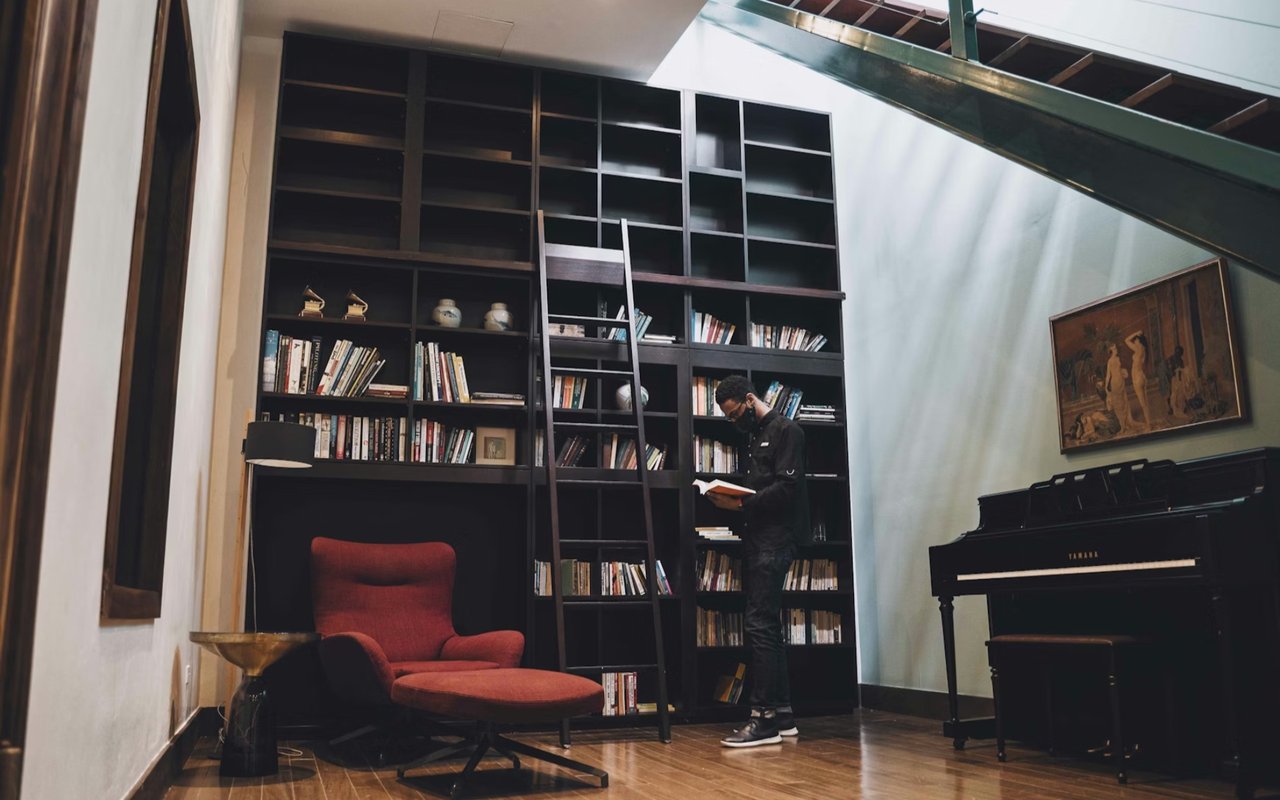
- Deep greens and navies: South-facing Georgetown rooms with good natural light carry saturated colors well, particularly in dining rooms and libraries where depth reads as intentional.
- Pattern wallpaper: The tall-ceilinged rooms in Georgetown rowhouses were built for patterned wall treatments like toile, stripes, and botanical prints
- Color continuity across floors: Carrying a consistent palette from floor to floor creates coherence in a home with multiple small rooms stacked vertically.
The rooms that get color right are the ones where the palette was chosen for the specific light of each room rather than selected from a single mood board and applied throughout.
FAQs
What interior design styles in Georgetown, DC work best for homes with original architectural details?
The styles that work best preserve and engage with those details rather than covering or removing them. Contemporary interiors can work well when the original plaster, floors, and fireplace surrounds are kept as contrast rather than eliminated in the name of clarity.
Is it worth working with a designer who has experience specifically in historic DC rowhouses?
Georgetown interiors have a way of revealing decisions that seemed right in isolation but don't hold up in context — an oversize fixture in a formal parlor, a paint color that looked right on the chip and wrong in the room.
How does Georgetown's brick exterior affect interior design choices?
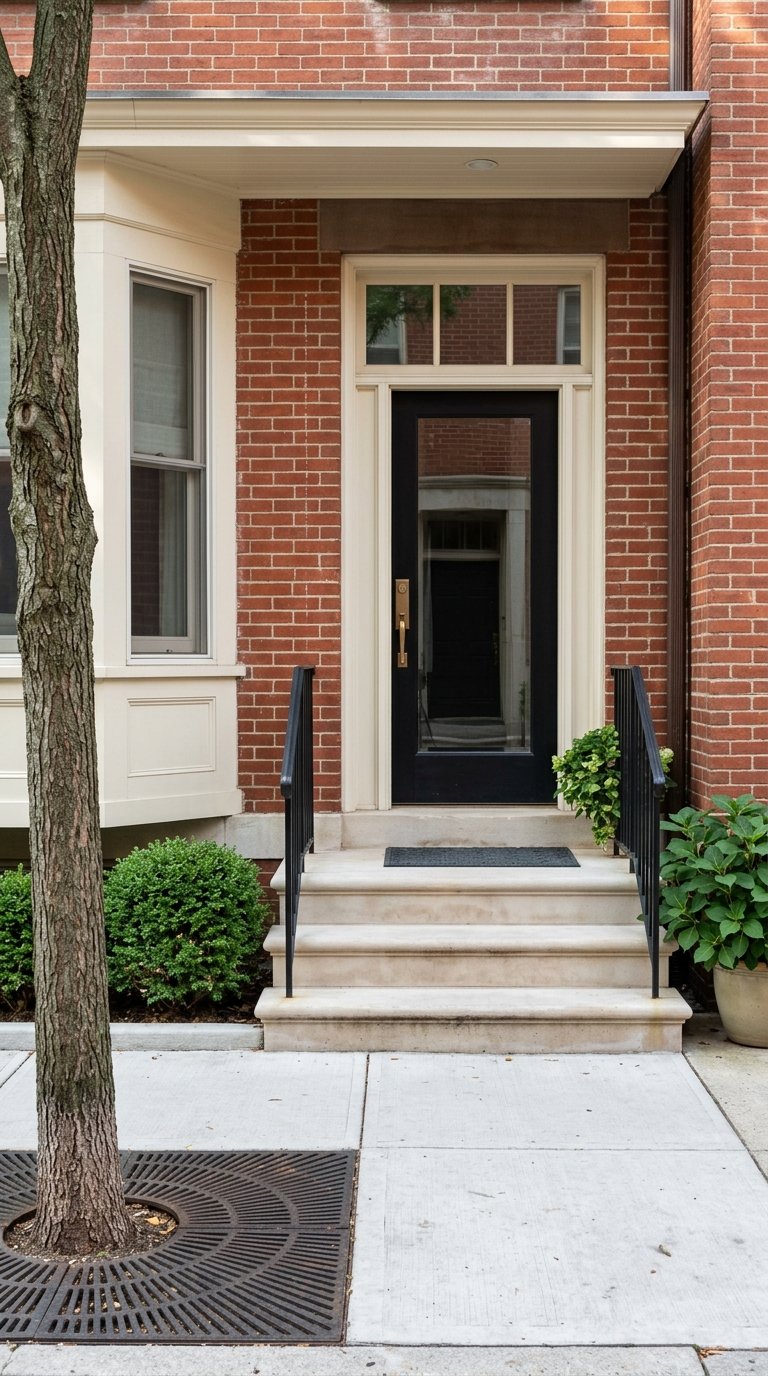
The warm red brick that defines Georgetown's exterior has a natural relationship with earthy interiors — wood tones, warm neutrals, and terracotta accents follow a logic that cool-toned palettes sometimes lack.
Ready to Talk Through the Design?
Designing a Georgetown home well takes an understanding of what the architecture is asking for and the patience to work with it.
Connect with me, Russel Firestone. I've helped clients think through these decisions at every stage, and the conversation tends to be more useful the earlier it starts.
Connect with me, Russel Firestone. I've helped clients think through these decisions at every stage, and the conversation tends to be more useful the earlier it starts.