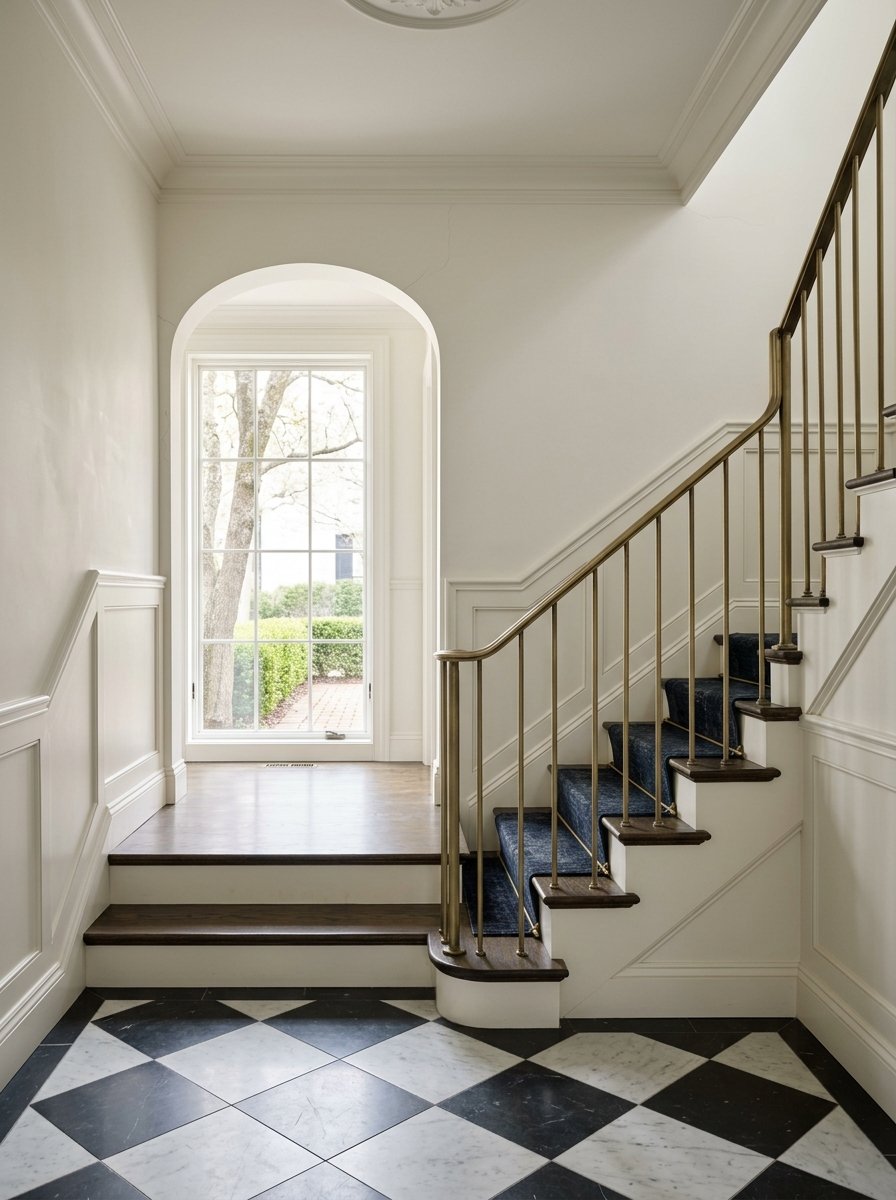
If you have ever wondered how one of Washington’s most private-feeling neighborhoods can sit so close to the center of the city, Kalorama offers the answer. Its appeal is not just about impressive facades or notable addresses. It is about the rare mix of historic architecture, winding streets, mature trees, and a quiet atmosphere that feels carefully preserved. If you want to understand what makes Kalorama distinct, this guide will walk you through the neighborhood’s architecture, layout, and everyday charm. Let’s dive in.
What makes Kalorama unique
Kalorama is not one single, uniform district. It is best understood as two overlapping historic areas: Kalorama Triangle and Sheridan-Kalorama. Both were shaped in the late 19th and early 20th centuries, and together they create the layered identity people associate with the neighborhood today.
The name itself comes from the original Kalorama estate and means “beautiful view” in Greek, according to DC planning materials. That name fits the neighborhood’s elevated setting and outlook over the city. It also hints at why Kalorama feels different from flatter, more regular parts of Washington.
The two historic districts
Kalorama Triangle and Sheridan-Kalorama each have a distinct personality. Kalorama Triangle was designated as a historic district in 1987, while Sheridan-Kalorama followed in 1989. Both designations help preserve the broader residential setting that gives the area its lasting character.
Kalorama Triangle is roughly bounded by Connecticut Avenue, Columbia Road, and Calvert Street NW. Sheridan-Kalorama is bounded by Connecticut Avenue, Rock Creek Park, Florida Avenue, and edges shaped by the creek valley and P Street. These natural and street boundaries help explain why the neighborhood feels tucked away, even though it is centrally located.
How Kalorama took shape
Kalorama’s growth was tied to the city’s expansion. DC planning documents point to the extension and redrawing of Connecticut Avenue, bridge construction over Rock Creek, and streetcar service as key drivers in the neighborhood’s development. What had once been estate land gradually became an in-town residential area with a strong sense of separation from busier commercial corridors.
That history still shows in the streetscape. Some areas feel more formal and spacious, while others feel more intimate and residential. Together, those layers are a big part of what gives Kalorama its depth.
Kalorama architecture: grand but varied
One of Kalorama’s defining strengths is architectural variety. You do not see just one housing type or one repeating style. Instead, you find a rich collection of attached rowhouses, detached homes, apartment buildings, and larger institutional structures that still feel visually connected.
In Kalorama Triangle, the historic district nomination identifies 353 contributing buildings, with the area being almost entirely residential. Tree-lined, curving streets are framed by 3- and 4-story attached houses, large apartment blocks, detached houses, and small green spaces. The architectural mix includes Beaux Arts Classicism, Colonial Revival, Georgian Revival, Mission or Spanish Colonial Revival, and Arts and Crafts.
Sheridan-Kalorama has a somewhat more formal expression. There, elegant townhouses, free-standing dwellings, mansions, and apartment buildings sit on larger lots and more prominent sites. Styles noted in the district documentation include Colonial Revival, English Georgian Revival, Mediterranean Eclectic, Beaux Arts Classicism, Classical Revival, and Federal forms.
Why the streets feel so cohesive
Kalorama’s visual harmony does not come from repetition alone. It comes from careful relationships between building mass, setbacks, materials, trees, and the streets themselves. Preservation materials make clear that the neighborhood’s elegance depends on the whole setting, not just a handful of standout homes.
That helps explain why even larger apartment buildings and institutional properties often blend into the surroundings. In Sheridan-Kalorama especially, some non-residential buildings were designed with residential scale, materials, and styling. That choice allows embassies, schools, and other uses to sit more naturally within the neighborhood fabric.
Landmarks that reflect Kalorama’s depth
Kalorama is known for more than one architectural moment. The historic documentation references a range of notable places, including the Woodrow Wilson House, the Codman-Davis House, The Lindens, the Japanese Embassy, and the nearby Massachusetts Avenue Historic District. These places help show how much historical and design variety is packed into a relatively compact area.
What is striking is how these landmarks do not overwhelm the neighborhood. They are part of a larger, consistent streetscape rather than isolated attractions. That balance is part of Kalorama’s enduring charm.
Quiet streets are part of the appeal
Kalorama’s quiet reputation is rooted in geography as much as architecture. The historic district materials describe Sheridan-Kalorama as a hilly, tree-lined residential enclave, with streets that are often short or shaped to fit the land. Kalorama Triangle is similarly described as screened from surrounding commercial areas and defined by a quiet residential ambience.
This topography changes how the neighborhood feels as you move through it. Curving roads, changes in elevation, and mature landscaping create visual breaks and a sense of privacy. In a city setting, that can feel unusually calm.
Parks and public spaces add everyday charm
Kalorama’s appeal is not limited to its buildings. Public spaces play a major role in how the neighborhood lives day to day. They soften the architecture and give the area a sense of rhythm and openness.
The Spanish Steps, designed in 1911, were created as a Beaux Arts response to a steep grade change and remain one of the neighborhood’s most distinctive landscape features. Kalorama Park adds a 3-acre triangular green space, while Mitchell Park connects to land associated with the original Kalorama estate and later embassy-era land purchases. Along the edge of the neighborhood, Rock Creek Park offers a wooded urban refuge that strengthens Kalorama’s secluded feel.
A layered residential setting
One of the most interesting things about Kalorama is how residential character and institutional presence exist side by side. The historic district documentation notes that Sheridan-Kalorama includes embassies, chanceries, private schools, churches, and former houses adapted for these uses. Yet the overall impression remains measured and residential.
That is partly because many of these buildings occupy converted homes or structures designed to fit the surrounding context. Instead of disrupting the neighborhood, they contribute to its layered identity. The result is a streetscape that feels established, restrained, and quietly distinguished.
Connected, but not exposed
Kalorama often feels removed from the city’s pace, but it is not isolated. WMATA’s Dupont Circle and Woodley Park stations, both on the Red Line in Northwest Washington, help keep the area connected to the rest of DC. That balance between access and retreat is part of what continues to draw interest from buyers who value both privacy and convenience.
For many people, that is a rare combination. You can enjoy a neighborhood with a protected, residential feel while still remaining close to central Washington. In practical terms, that balance supports both lifestyle appeal and long-term desirability.
Why preservation matters here
In Kalorama, preservation is not just about saving individual houses. It is about protecting the full setting that makes the neighborhood special. The district documentation emphasizes that boundaries were drawn with major arteries and natural topography in mind, and DC preservation materials note that designation helps maintain the area’s residential character.
That matters because Kalorama’s charm depends on more than architecture alone. It depends on how homes sit on the land, how trees frame the streets, how stairs and walls shape movement, and how the neighborhood transitions from one block to the next. That broader sense of place is what gives Kalorama its lasting grace.
Grand architecture, quiet charm
The phrase fits because Kalorama truly holds both qualities at once. Kalorama Triangle contributes a more uniformly residential pattern of rowhouses and apartment blocks. Sheridan-Kalorama adds larger lots, individually commissioned houses, and a more formal in-town suburban feel.
Together, they create a neighborhood that feels elegant without being showy and secluded without being disconnected. For buyers and homeowners who appreciate architecture, setting, and a strong sense of place, Kalorama remains one of Washington’s most distinctive residential environments.
If you are considering buying or selling in Kalorama, neighborhood nuance matters. From historic character to block-by-block setting, thoughtful guidance can make a real difference. To discuss the market with a discreet, highly experienced local advisor, connect with Russell Firestone.
FAQs
What is Kalorama in Washington, DC known for?
- Kalorama is known for its historic architecture, tree-lined and hilly streets, quiet residential atmosphere, and the presence of two overlapping historic districts: Kalorama Triangle and Sheridan-Kalorama.
What architectural styles are found in Kalorama?
- Kalorama includes Beaux Arts Classicism, Colonial Revival, Georgian Revival, English Georgian Revival, Mediterranean Eclectic, Classical Revival, Federal, Mission or Spanish Colonial Revival, and Arts and Crafts architecture.
Why does Kalorama feel so quiet despite its central location?
- DC planning documents attribute Kalorama’s secluded feel to its topography, curving and short streets, mature trees, and boundaries shaped by major roads and Rock Creek Park.
What is the difference between Kalorama Triangle and Sheridan-Kalorama?
- Kalorama Triangle developed as a more uniformly residential area with rowhouses and apartment blocks, while Sheridan-Kalorama developed with larger lots, detached houses, mansions, apartment buildings, and institutional uses.
Are there parks and open spaces in Kalorama?
- Yes. Notable public spaces include the Spanish Steps, Kalorama Park, Mitchell Park, and the neighborhood edge along Rock Creek Park.
Is Kalorama accessible by Metro?
- Yes. Kalorama is served by nearby Red Line access through Dupont Circle and Woodley Park stations in Northwest Washington.