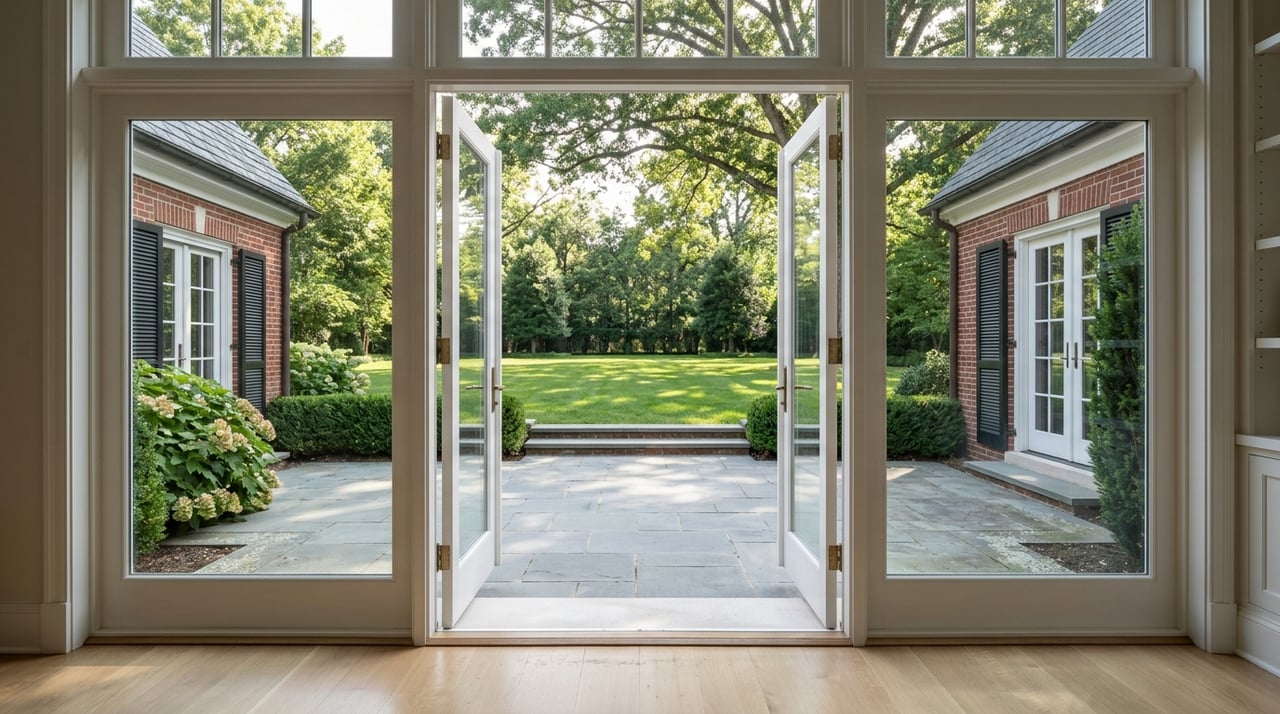
If you want more room to breathe without leaving Washington, Kent deserves a closer look. Many buyers reach a point where privacy, greenery, and a calmer daily rhythm start to matter just as much as address and architecture. In Kent, you can find a residential setting with large lots, mature trees, and quick access to parks, all within Northwest DC. Let’s take a closer look at why this neighborhood stands out.
Kent offers a quieter DC setting
Kent sits within Ward 3, an area the DC Office of Planning describes as largely residential, with village-like clusters around local commercial centers. Much of the ward is made up of single-family homes among tall trees and parks, which helps explain the neighborhood’s calm, tucked-away feel.
That setting can be especially appealing if you want a home that feels removed from the city’s pace without actually leaving it. Kent gives you a more secluded residential experience while keeping you in Northwest Washington.
Space shapes Kent’s appeal
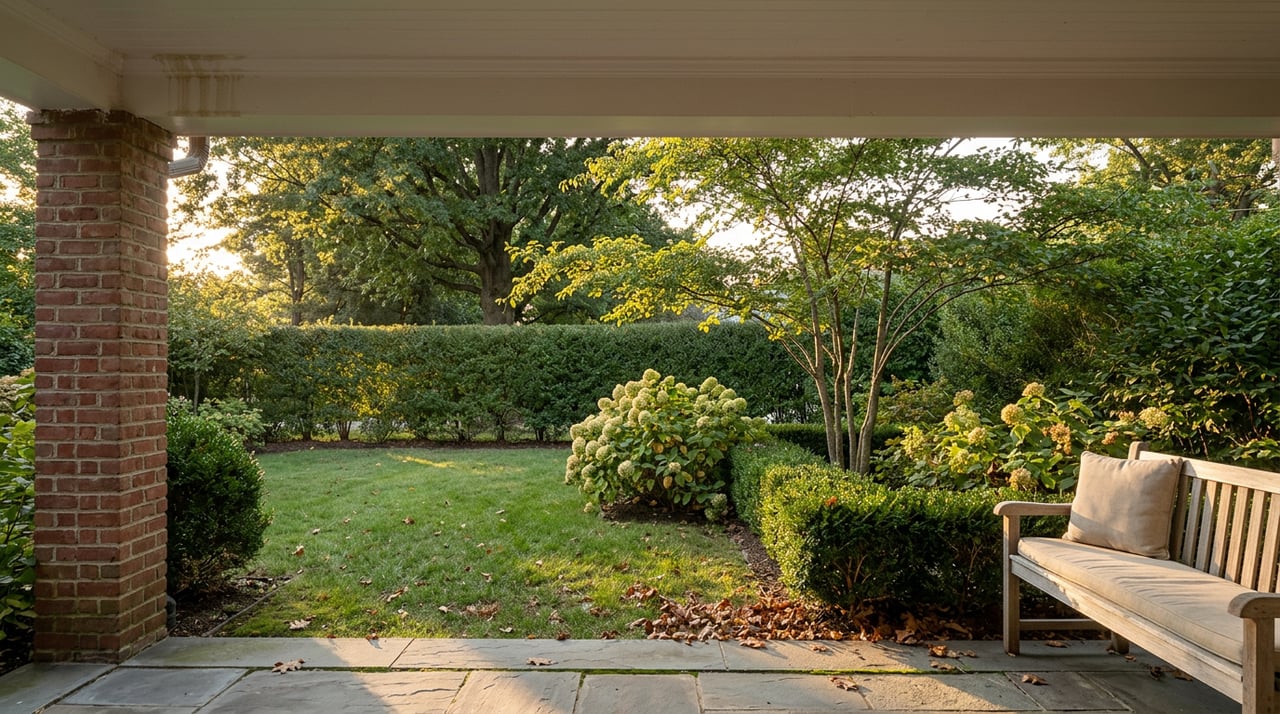
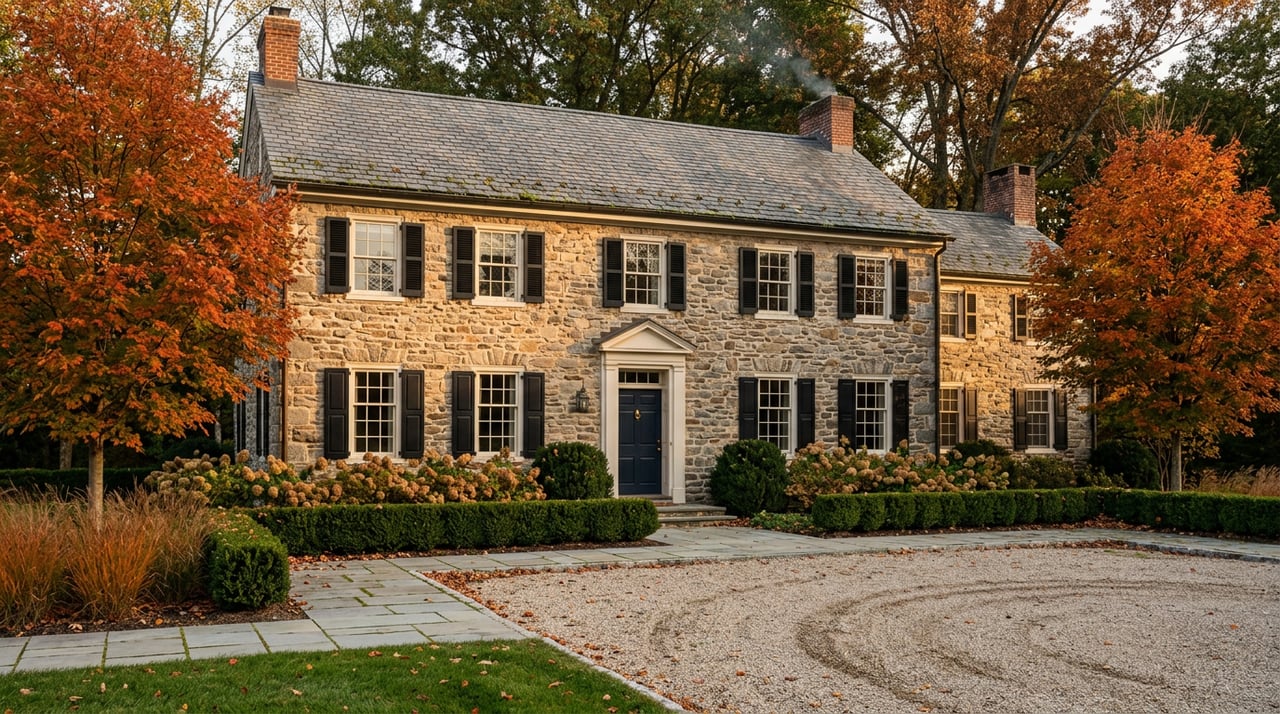
One of Kent’s defining features is its housing pattern. The Ward 3 Heritage Guide identifies Kent as a neighborhood of detached houses dating largely from 1937 to 1941 and the late 1940s to 1950s, set on wooded lots.
For buyers, that often translates into a sense of separation that is harder to find in more densely built parts of the city. Larger lots, mature landscaping, and detached homes can create more privacy and a stronger feeling of retreat.
A Washington Post neighborhood profile described Kent as the softer side of DC, noting homes on large lots from the 1930s and 1940s alongside contemporary houses. That mix can appeal if you value both classic architecture and the possibility of newer design within the same neighborhood context.
Park access adds to the sense of serenity
Kent’s appeal is not only about what sits on each lot. It is also about what surrounds the neighborhood. The Washington Post profile points to nearby Battery Kemble Park, the Capital Crescent Trail, and the Palisades Spray Park as part of the area’s lifestyle draw.
Access to green space can shape how a neighborhood feels day to day. In Kent, wooded surroundings and nearby recreation help reinforce the quieter tone that many buyers are looking for.
If your idea of luxury includes room outdoors, tree cover, and places to walk or recharge nearby, Kent checks an important box. The neighborhood’s physical setting is a major part of its identity.
Kent attracts long-term owners
Another sign of Kent’s appeal is low turnover. The Washington Post noted that residents often stay once they buy there, which supports the idea that the neighborhood works well for people seeking long-term comfort and stability.
For buyers, that matters in two ways. First, it suggests strong satisfaction among current owners. Second, it often means available inventory can be limited, so opportunities may not come up often.
Kent compared with Georgetown
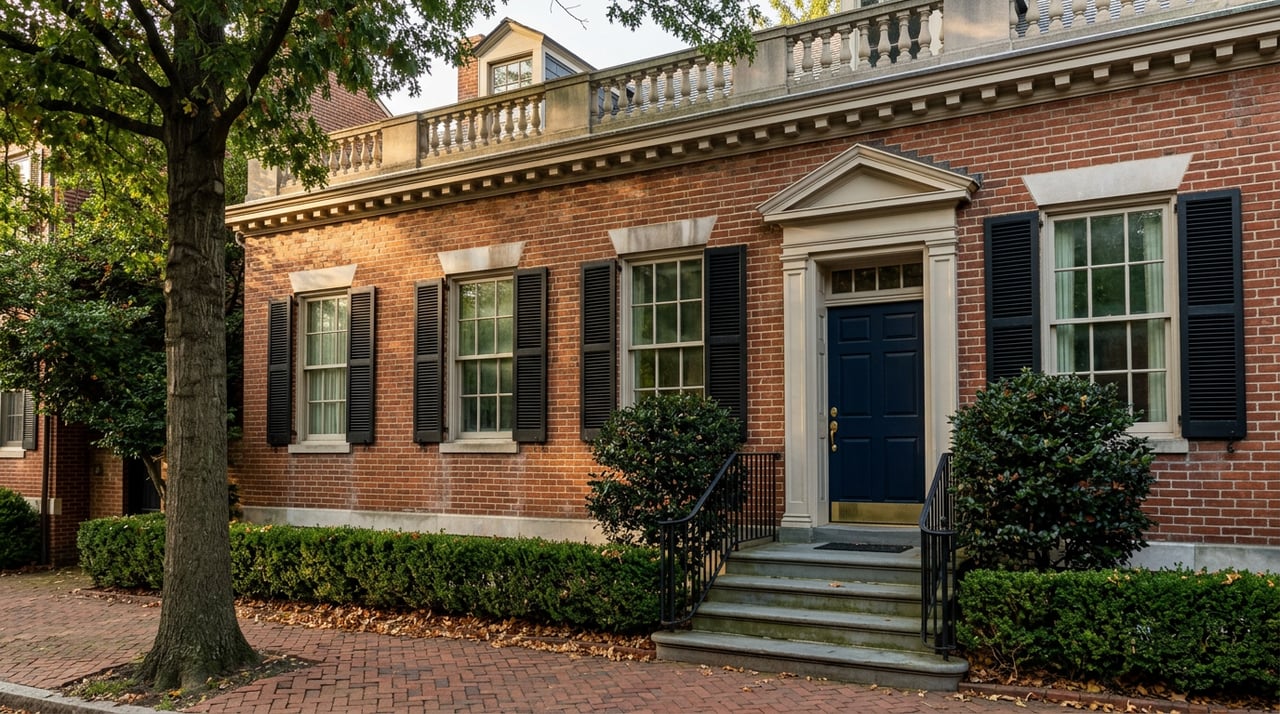
Georgetown is one of Washington’s best-known neighborhoods, but it offers a very different experience. Washington.org describes Georgetown as historic, walkable, colorful, and luxurious, with cobblestone sidewalks, grand homes, and a dense mix of shops, restaurants, galleries, and waterfront activity.
Georgetown BID adds that the business district includes more than 470 shops, restaurants, and institutions. In practical terms, that means more energy, more visitor activity, and a more active street scene than what you typically find in Kent.
If you want to step out your door into a more mixed-use environment, Georgetown may feel like the better fit. If you are drawn to a quieter residential setting with more separation from retail activity, Kent may rise to the top of your shortlist.
Kent compared with Wesley Heights
Wesley Heights is a closer comparison. The Ward 3 Heritage Guide says it was planned in the 1920s around large detached homes, and a 2022 Washington Post profile described it as quiet and peaceful, with residents using Battery Kemble Park and Glover-Archbold Park for walking and nature access.
Like Wesley Heights, Kent appeals to buyers who want detached homes, greenery, and a lower-key atmosphere. Both neighborhoods are associated with larger residences and a strong sense of residential character.
The difference is more subtle than dramatic. Kent is often understood as offering similar seclusion and wooded appeal, while standing apart from Georgetown’s heavier retail and visitor presence.
Kent’s housing character feels distinct
In many parts of Washington, the conversation begins with walkability and density. In Kent, the discussion often starts with lot size, privacy, and the feel of the streetscape.
That does not make Kent better than other Northwest neighborhoods. It makes it different. If your priorities include detached homes, mature trees, and a calmer setting, Kent answers a very specific kind of search.
This is often why buyers considering Georgetown, Wesley Heights, or Spring Valley end up adding Kent to the conversation. The neighborhood offers a balance that can be hard to replicate.
Current market signals in Kent
Recent market data supports Kent’s reputation as a high-end, low-supply neighborhood. Zillow data dated May 31, 2026 puts Kent’s typical home value at $2,104,271 and shows just 12 homes for sale.
Redfin reports a three-month median sale price of $2,009,324, with a median of 17 days on market. That combination points to a neighborhood where demand remains steady and well-positioned homes can move quickly.
For comparison, Georgetown’s typical home value is about $1.51 million, with a median sale price around $1.52 million and 69 homes for sale. While these neighborhoods serve different buyer preferences, the inventory gap helps show why Kent can feel more limited and more selective.
What buyers should take from this
If you are searching in the upper tier of the DC market, Kent is worth considering when your priorities go beyond square footage alone. The neighborhood’s value comes from a combination of large lots, detached homes, mature landscaping, and a quieter residential setting.
It also helps to approach Kent with patience. Because inventory is limited and turnover tends to be low, the right opportunity may require preparation and timing.
That is especially true if you are comparing several premium Northwest DC neighborhoods at once. The differences between Kent, Georgetown, and Wesley Heights are not just about price. They are about how you want to live every day.
If you are weighing where Kent fits within your home search, working with a local advisor who understands the nuances between Washington’s premium neighborhoods can make the process more efficient and more informed. To discuss opportunities in Kent and across Northwest DC, connect with Russell Firestone.
FAQs
What makes Kent in Washington, DC feel serene?
- Kent is known for detached homes on wooded lots, a largely residential setting within Ward 3, and access to nearby parks and trails such as Battery Kemble Park and the Capital Crescent Trail.
What types of homes define Kent in DC?
- Kent is largely defined by detached houses, especially homes dating from 1937 to 1941 and the late 1940s to 1950s, along with some contemporary houses.
How does Kent differ from Georgetown for homebuyers?
- Georgetown offers more commercial energy, walkability, and visitor activity, while Kent is more focused on privacy, larger lots, and a quieter residential atmosphere.
How does Kent compare with Wesley Heights in DC?
- Kent and Wesley Heights both appeal to buyers seeking detached homes and a peaceful setting, though Kent is often viewed through the lens of wooded seclusion and low retail intensity.
Is Kent a competitive real estate market?
- Current data suggests Kent is a high-end, low-inventory market, with a typical home value above $2.1 million, 12 homes for sale, and a median of 17 days on market.
Why do buyers interested in space look at Kent?
- Buyers often consider Kent because the neighborhood offers larger lots, detached homes, mature trees, and a sense of privacy that can be harder to find in denser parts of Washington.