Selling a home in Spring Valley is rarely a simple matter of tidying up and putting a sign in the yard. Many homes here date to the 1920s through the 1950s, and buyers in this part of Washington tend to look closely at condition, documentation, and presentation before they make a move. If you want a smoother, more thoughtful sale, it helps to prepare with intention. Let’s dive in.
Why Spring Valley prep deserves extra care
Spring Valley is a distinct part of Ward 3 with a largely residential pattern and a notable concentration of single-family homes. That setting, paired with the neighborhood’s long development history, means sellers are often bringing older homes to market.
Older homes can be deeply appealing, but they also invite more buyer questions. Buyers may look past surface beauty and focus on roofs, windows, HVAC, plumbing, electrical systems, and the paper trail behind major updates.
That level of scrutiny matters even more in a high-value market. Current public market snapshots place Spring Valley in the multimillion-dollar range, with Realtor.com showing a median listing price of $3,295,000 and Redfin reporting a May 2026 median sale price of $2,599,126. While those figures come from different datasets, they point in the same direction: presentation and pricing discipline matter.
Start earlier than you think
For many Spring Valley sellers, the best results come from treating pre-listing work as a multi-week project. A practical planning window is often about 6 to 10 weeks, especially for long-held homes.
In the early weeks, focus on inspections, repair decisions, and gathering records. In the middle stretch, turn to decluttering, touch-ups, and contractor follow-up. In the final weeks, prepare for staging, photography, video, and showings.
This kind of runway can reduce last-minute stress. It also gives you more time to make decisions calmly, rather than reacting under pressure once the home is already on the market.
Begin with condition, not cosmetics
A thoughtful sale usually starts with a clear view of the home’s condition. A pre-sale inspection can help identify issues involving structure, exterior elements, roofing, plumbing, electrical systems, heating and air conditioning, ventilation, insulation, fireplaces, and, where relevant, concerns such as mold, radon, lead paint, or asbestos.
That does not mean you must repair every item. It does mean you should know what a buyer is likely to notice and what could affect negotiations later.
In Spring Valley, this step is especially useful because many properties have long ownership histories. If systems are older or improvements were completed over time, a pre-sale inspection can help you decide what to repair, what to disclose, and what to price accordingly.
What to fix first
If you are deciding where to invest time and money, start with issues that signal deferred maintenance or could raise immediate concern during a showing or inspection.
Priority areas often include:
- Roof issues
- HVAC problems
- Plumbing leaks or outdated fixtures
- Electrical concerns
- Appliance issues that affect daily function
- Visible exterior deterioration
Small cosmetic work still matters, but major systems come first. In a market where buyers compare details carefully, visible functionality often carries more weight than decorative upgrades.
Gather the home’s paper trail
A well-organized file can make a real difference in how confidently your home is received. Buyers often feel more comfortable when the home’s history is documented clearly.
Start gathering:
- Warranties
- Appliance manuals
- Contractor invoices
- Permit records
- Roof documentation
- HVAC service and replacement records
- Window records
- Notes on major system work
- Repair estimates, if relevant
This is also a good time to verify property information and check for settlement-related issues early. DC’s Real Property Finder can help confirm property details, and the Office of Tax and Revenue’s Real Property Tax Certificate can show whether property taxes are in arrears or whether there are unpaid DC Water and sewer charges, Clean City liabilities, BID taxes, vault rents, or special assessment charges.
Because the tax certificate typically arrives within 10 business days after payment, it is worth addressing well before settlement is near.
Be ready for Spring Valley diligence questions
Some buyers may ask about Spring Valley’s environmental history. The District Department of Energy and Environment identifies Spring Valley as a former World War I munitions testing site in Northwest DC, and the area has been subject to evaluation related to possible arsenic exposure at the former American University Experiment Station/Spring Valley site.
For most sellers, this is less about alarm and more about preparation. You should expect some buyers to ask questions and appreciate having relevant records organized in advance if they exist.
A calm, documented approach helps here. In a market that values discretion and substance, being prepared often does more than overexplaining.
Focus staging where it matters most
You do not need to stage every inch of the house to make an impression. What matters is that the home feels clean, spacious, and easy to understand.
According to NAR’s 2025 staging report, 83% of buyers’ agents said staging made it easier for buyers to visualize a property as a future residence. The rooms most often treated as most important are the living room, primary bedroom, dining room, and kitchen.
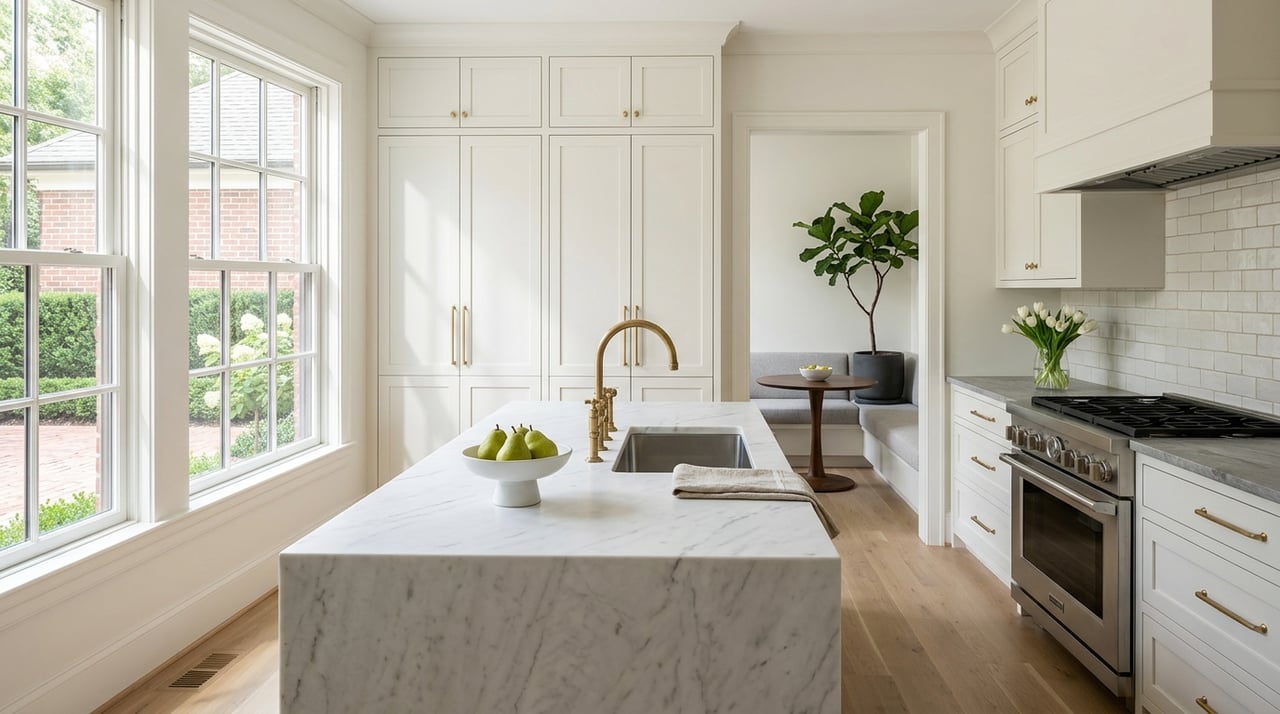
That gives sellers a useful framework. If you are prioritizing effort, start with the spaces where buyers are most likely to imagine daily life and entertaining.
A smart staging checklist
Keep the approach simple and disciplined:
- Clear counters and open visible surfaces
- Reduce personal items
- Edit bulky furniture if rooms feel crowded
- Refresh bedding and towels
- Add lighting where rooms feel dim
- Keep sightlines clean from room to room
- Make the front approach neat and welcoming
The goal is not to make the home feel generic. The goal is to help buyers see scale, light, function, and flow without distraction.
Treat media and showings as one launch
In a luxury market, the first online impression and the first in-person impression should feel equally polished. Buyers often see photos, video, and virtual tours before they ever schedule a visit, and NAR reports that 31% of buyers’ agents said buyers were more willing to walk through a home they had already seen online.
That means your home should be fully ready before the first media shoot. If a room is not ready for photography, it is not ready for the market.
For a smoother launch, create a consistent showing routine in advance. Think through lighting, blinds, personal items, pets, and the timing of your departure before appointments. This is especially helpful if you value discretion and want the process to feel controlled rather than disruptive.
Understand DC disclosure requirements early
In the District, sellers of most 1- to 4-unit residential properties must deliver a Mayor-approved real property disclosure statement before or at the time the buyer signs the purchase agreement. The required disclosure covers known issues involving water and sewer systems, lead-bearing plumbing and lead service lines, insulation, structural systems, plumbing, electrical systems, heating and air conditioning, pests, appliances, alarm systems, garage door openers, and fixtures.
If your home was built before 1978, lead-related diligence may also be relevant. Federal law requires disclosure of known lead-based paint and lead-based paint hazards for most housing built before that year, along with available records and reports, the EPA pamphlet, and a 10-day buyer opportunity to conduct a lead inspection or risk assessment.
Because many Spring Valley homes are old enough for this to matter, it is wise to review these items early. Waiting until you have a contract can make the process feel more complicated than it needs to be.
Keep your sale thoughtful, not rushed
A strong Spring Valley sale often comes down to a few disciplined choices: understand the home’s condition, organize the paperwork, prepare for neighborhood-specific questions, and make sure the property is truly ready before it meets the market.
That kind of preparation supports more than appearance. It can improve buyer confidence, reduce avoidable friction, and help your home enter the market with the clarity it deserves.
If you are preparing to sell in Spring Valley and want discreet, hands-on guidance from pricing through presentation, Russell Firestone can help you shape a thoughtful plan.
FAQs
What should I fix before listing a Spring Valley home?
- Focus first on major concerns such as roof, HVAC, plumbing, electrical, or appliance issues, then address visible maintenance and cosmetic touch-ups.
Which rooms matter most when preparing a Spring Valley home for sale?
- The living room, primary bedroom, kitchen, and dining room are often the highest-priority spaces for staging and presentation.
Do I need a pre-sale inspection for a Spring Valley property?
- A pre-sale inspection is often helpful, especially for older homes, because it can identify issues early and help you make repair, disclosure, and pricing decisions before launch.
What documents should I gather before selling a Spring Valley home?
- Gather warranties, appliance manuals, contractor invoices, permit records, and documentation for roof, HVAC, windows, and other major system work.
Are there DC disclosure rules for selling a Spring Valley home?
- Yes. In DC, sellers of most 1- to 4-unit residential properties must provide a Mayor-approved disclosure statement covering specified known property conditions.
Should I expect buyers to ask about Spring Valley’s environmental history?
- Possibly. Some buyers may ask about the neighborhood’s environmental history, so it helps to have relevant records organized and be prepared for diligence questions.