By Russell Firestone
Most people who ask me about the hidden gems in Georgetown, DC have already done M Street, tried the cupcakes, walked the canal, and taken a photo on the Exorcist Steps.
Living in Georgetown is something different from visiting it: a quieter, more residential city within the city, where the best spots take a few extra blocks and a little local knowledge to reach. I've pointed clients toward those blocks for years, and this is my version of that conversation.
Key Takeaways
- Residential streets: The blocks north of M Street (Cox's Row, Volta Place, N Street, Prospect Street) carry Georgetown's real residential character, and most visitors never reach them.
- Outdoor spaces: Montrose Park and Tudor Place offer quieter alternatives to Dumbarton Oaks that are a short walk away and almost always uncrowded.
- Historic sites: The Dumbarton House, the Volta Bureau, and the Old Stone House are within easy walking distance of M Street and are rarely on anyone's itinerary.
- Local food scene: The places Georgetown residents actually use are almost all on side streets, a block or two removed from the main commercial corridors.
The Blocks Most Georgetown Visitors Never Reach
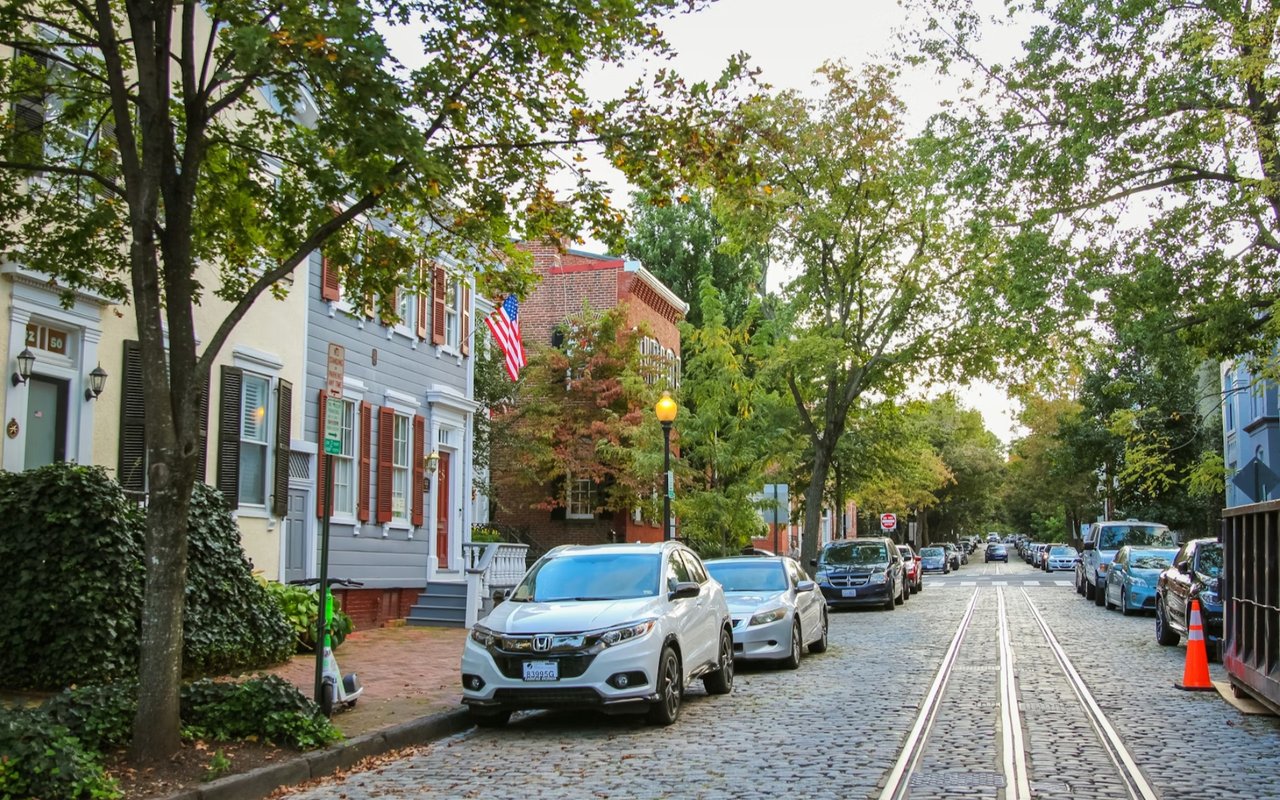
Georgetown's most photographed blocks are on M Street and Wisconsin Avenue, but the neighborhood's actual character lives north of that.
Residential Streets Worth Exploring
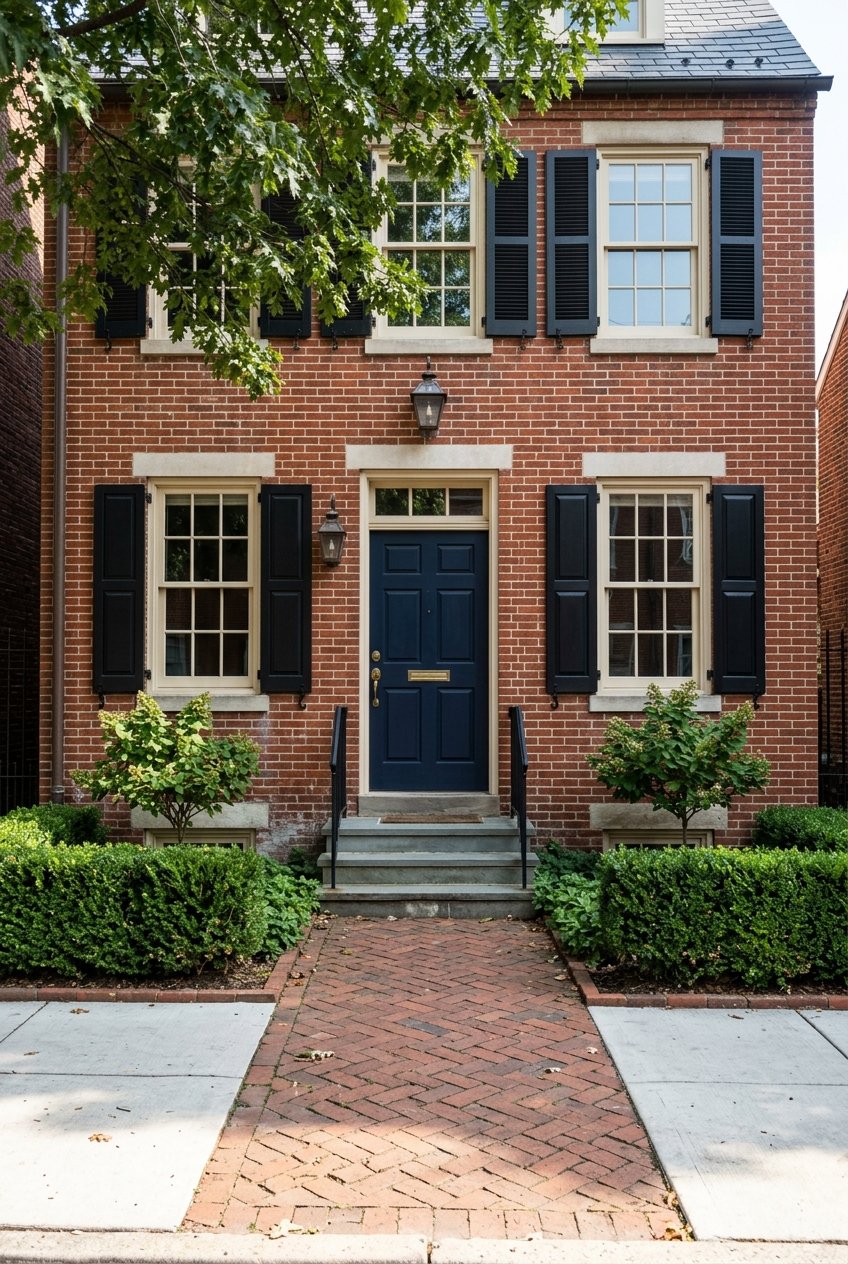
- Cox's Row at 3327–3339 N Street NW is a series of Federal-style rowhouses built in 1817, among the oldest surviving rowhouse rows in Washington.
- John F. Kennedy lived at 3307 N Street NW before moving to the White House in January 1961.
- Volta Place and P Street offer some of Georgetown's most intact 19th-century rowhouse stock with minimal commercial interruption between blocks.
These streets reward slow walking more than most of Georgetown does.
Georgetown's Parks Are Better Than Their Reputation
Dumbarton Oaks gets most of the attention, and it deserves it, but Georgetown has other outdoor spaces that are less visited, less formal, and in some ways more enjoyable.
Outdoor Spaces Worth the Walk
- Montrose Park at R Street and Avon Place NW has an open lawn, mature trees, and a rose garden, and draws a fraction of the visitors that Dumbarton Oaks does on any given weekend.
- The C&O Canal towpath, accessible from multiple points along the canal, provides a flat trail running 184 miles northwest from Georgetown to Cumberland, Maryland.
- The Georgetown Waterfront Park at the foot of Wisconsin Avenue offers Potomac River views and Key Bridge sightlines without the commercial density of the retail strip above.
Most of these spaces are dramatically quieter on weekday mornings than on weekend afternoons, and they draw a fraction of the visitors that the National Mall parks do a few miles east.
The Historic Sites That Don't Make the Tourist Guides
The neighborhood has a second layer of historic sites that rarely appear on any itinerary, and some of them are among the most interesting in the city.
Lesser-Known Landmarks Worth Seeking Out
- The Dumbarton House at 2715 Q Street NW is a Federal mansion from around 1800, now a house museum operated by the National Society of the Colonial Dames.
- The Volta Bureau at 3417 Volta Place NW was built by Alexander Graham Bell in 1893 to promote research on the deaf and still operates today as the Alexander Graham Bell Association.
- The Old Stone House at 3051 M Street NW, built in 1765, is the oldest surviving pre-Revolutionary structure in Washington, DC, and admission is free.
Each of these landmarks is within easy walking distance of M Street, and each is almost always uncrowded.
FAQs
What are the hidden gems in Georgetown, DC for someone who has already done the obvious things?
If the obvious things are done, the next layer starts with the residential streets north of M — Cox's Row, Volta Place, and the Kennedy houses on N Street. After that, Tudor Place and Montrose Park are worth a dedicated hour each. The Dumbarton House and the Volta Bureau are easy walks from the main corridors and are rarely crowded.
How does living in Georgetown compare to just visiting it?
Visiting Georgetown means M Street on a Saturday afternoon. Living here means the towpath on a Tuesday morning, the farmers market at Hardy Middle School on Sundays, and knowing which side streets to take to avoid the tourist traffic entirely. The neighborhood is larger and quieter than its reputation suggests.
Does Georgetown have easy access to the rest of DC without a car?
Georgetown has no Metro station, which surprises people who assume it does. The DC Circulator bus connects Georgetown to Dupont Circle and Rosslyn, and the Rosslyn Metro station is a walkable distance across the Key Bridge.
Let's Talk About the Right Address
Georgetown has more texture than most people realize from a single visit, and the layers tend to reveal themselves slowly through the streets you stumble onto, the spots a neighbor recommends, the Saturday morning routine that becomes permanent.
Reach out to me, Russell Firestone, and let's talk about what you're looking for.
Reach out to me, Russell Firestone, and let's talk about what you're looking for.