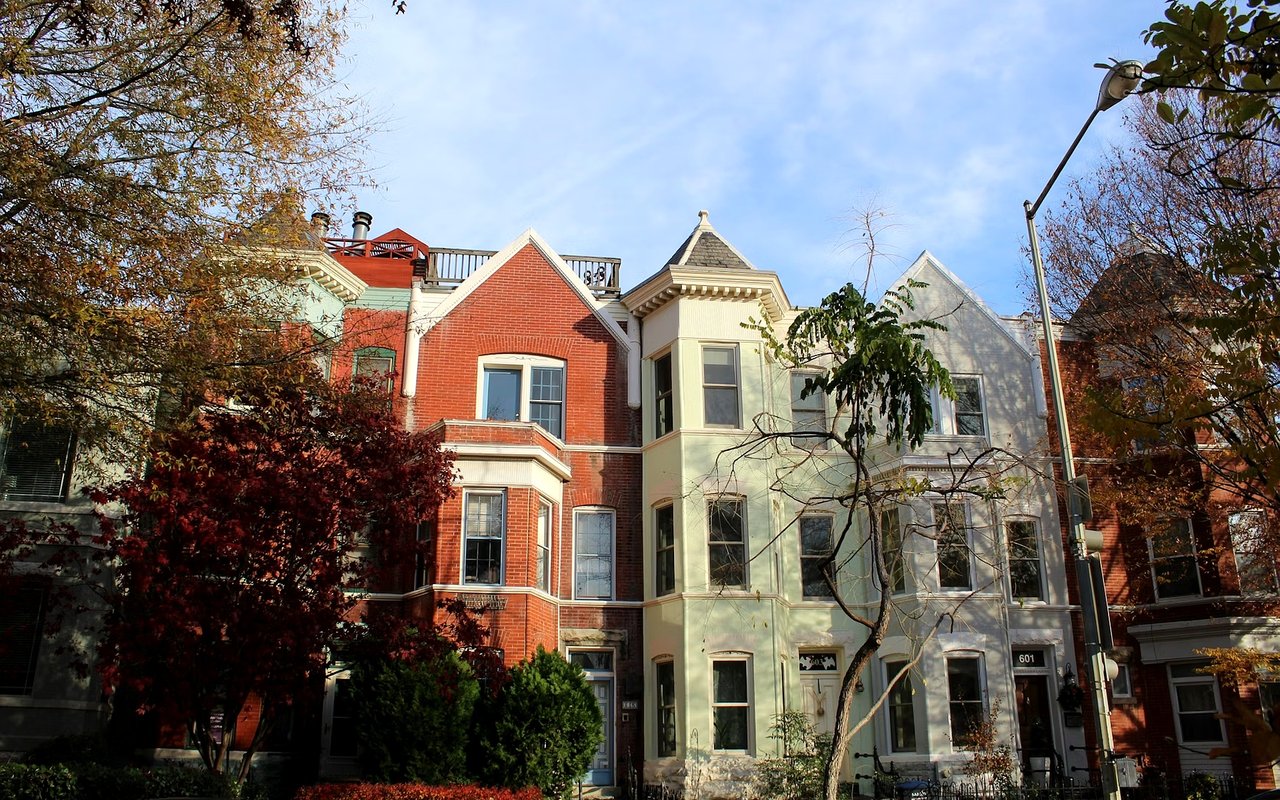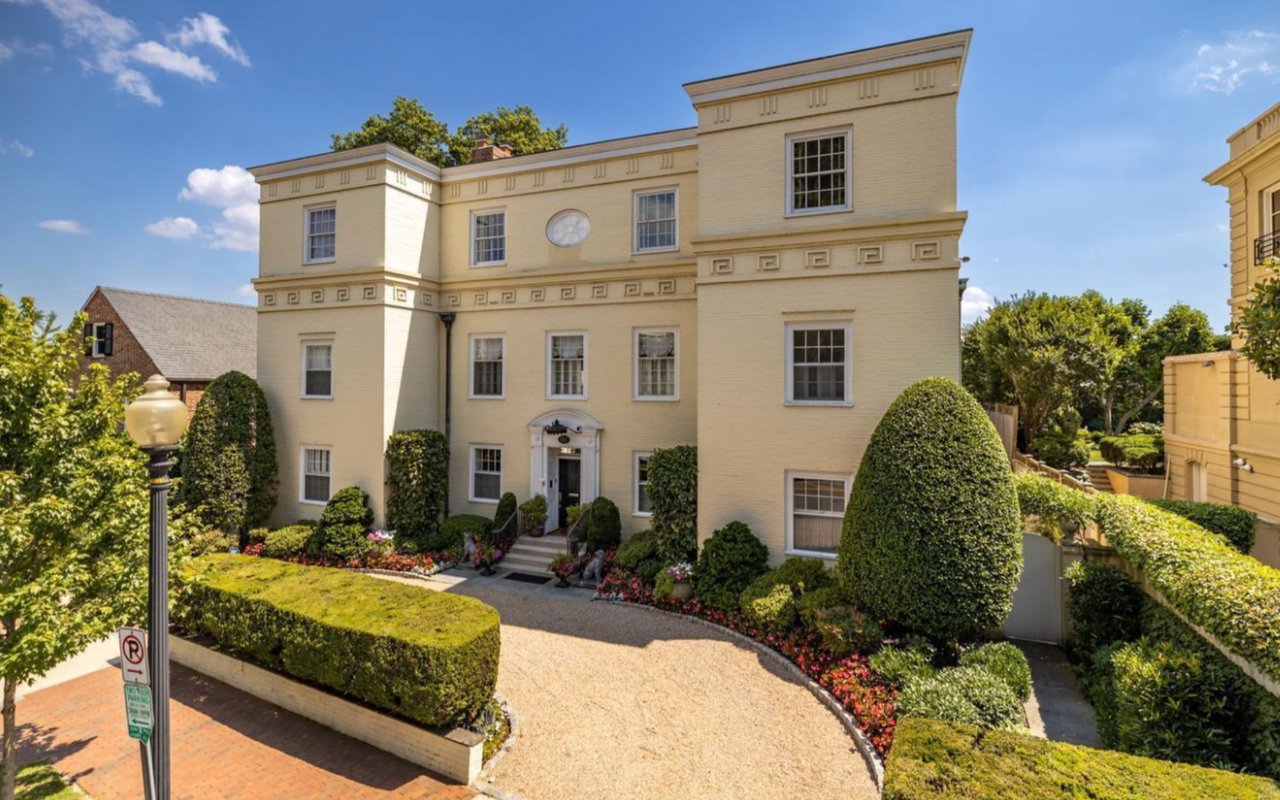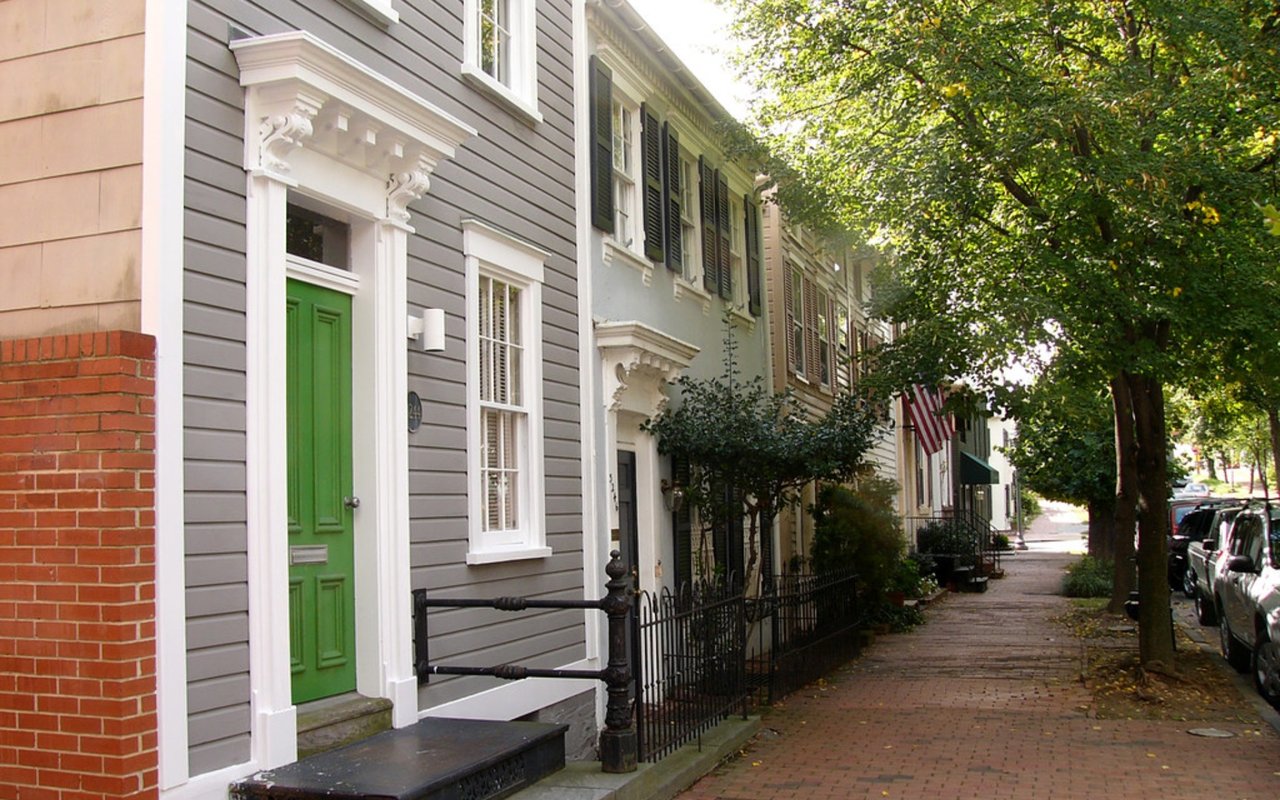
Georgetown, one of Washington, D.C.’s oldest and most storied neighborhoods, is a place where history and modern life intertwine seamlessly. Known for its cobblestone streets, scenic views of the Potomac River, and vibrant mix of shops and restaurants, Georgetown offers an architectural landscape that’s both varied and rich with character. Initially established in the mid-18th century, long before Washington, D.C. became the nation’s capital, Georgetown retains its charm with diverse architectural styles — from classic Federal and Georgian designs to Victorian, Gothic Revival, and even some modern touches.
Walking through Georgetown, you’re greeted by well-preserved structures that tell the stories of America’s early political, social, and scientific advancements. Exploring these architectural treasures provides a glimpse into the past while celebrating the enduring spirit of one of D.C.’s most beloved communities.
Dumbarton Oaks
Dumbarton Oaks is a historic estate that dates back to the early 19th century, situated on over 50 acres of lush gardens and wooded areas. Designed in the Federal style, the mansion later received enhancements in the Colonial Revival style, making it a prime example of Georgetown, DC architecture. The estate is known not only for its grand structure but also for its stunning gardens designed by landscape architect Beatrix Farrand. Today, Dumbarton Oaks is a research institution affiliated with Harvard University and houses an extensive art collection, particularly Byzantine and Pre-Columbian artifacts. The combination of historic architecture and natural beauty makes Dumbarton Oaks a highlight for anyone interested in architectural and garden design.
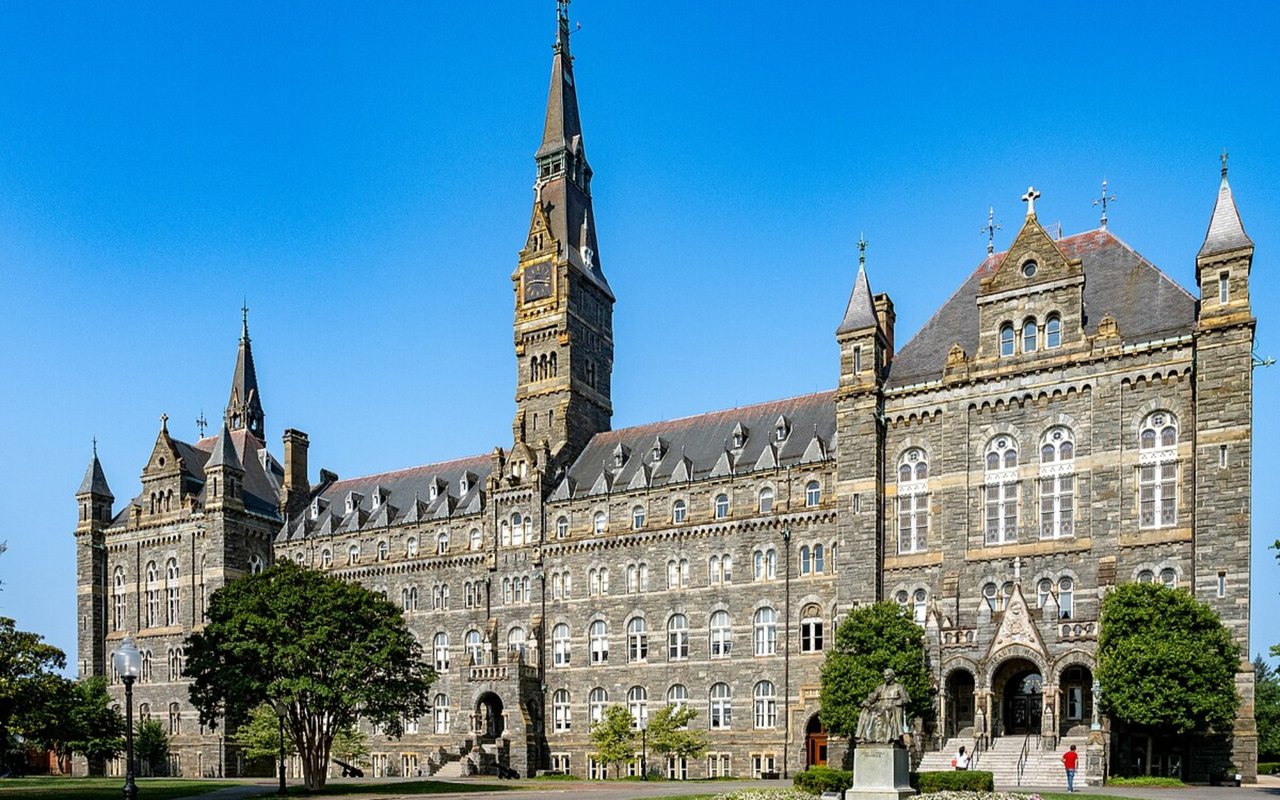
Georgetown University’s Healy Hall
Healy Hall is one of the most iconic buildings on the Georgetown University campus and a prime example of the Romanesque Revival style. Constructed in the late 19th century, the building features a stone facade, grand arches, and a prominent clock tower symbolizing the university. Designed by renowned architects John L. Smithmeyer and Paul J. Pelz, Healy Hall showcases intricate stonework and stained glass that give it a cathedral-like presence. The interior of Healy Hall is equally impressive, with its high ceilings, elaborate woodwork, and rich history. This architectural landmark has been designated a National Historic Landmark and remains a central part of campus life, adding a timeless beauty to the Georgetown architectural landscape.
Old Stone House
The Old Stone House, built in 1765, is the oldest unchanged structure in Washington, D.C. Its simple Colonial-style design, made of locally quarried stone, makes it a unique landmark among Georgetown’s more elaborate buildings. The house reflects early American architecture with its modest size, wood accents, and classic stone facade. Maintained by the National Park Service, the Old Stone House is open to the public, allowing visitors to explore its interior and learn about early American life. Surrounded by a peaceful garden, it provides a window into the past and serves as a testament to the preservation of Georgetown’s historical heritage.
Tudor Place
Tudor Place is a Federal-style mansion built in 1816 by Martha Custis Peter, a granddaughter of Martha Washington. The estate’s design incorporates elements of classical Greek architecture, including columns and symmetry, which were popular in the early 19th century. The mansion’s expansive gardens and decorative interior make it a highlight in Georgetown’s architectural scene. Visitors to Tudor Place can tour the house and its beautiful grounds, which are filled with flowering plants, statues, and quiet pathways. The estate provides insight into the lives of early American aristocrats.
The Halcyon House
The Halcyon House is an eye-catching Federal-style mansion that dates back to the late 18th century. Originally constructed as a private home, it has since been used for various purposes and now operates as a nonprofit incubator for social entrepreneurs. Its notable architectural features include a grand entrance, Palladian windows, and a spacious interior reflecting the era's elegance. The mansion is surrounded by carefully manicured gardens, providing a picturesque backdrop that adds to its allure. As a hub for creativity and social impact, the Halcyon House combines historic architecture with a modern mission, making it one of Georgetown’s most fascinating landmarks.
The Riggs Library at Georgetown University
The Riggs Library, located within Healy Hall, is one of the few remaining cast-iron libraries in the United States. Built in the late 19th century, this library is a stunning example of Victorian Gothic architecture. Its interior is characterized by tall, cast-iron bookcases, a spiral staircase, and a beautiful wood-paneled ceiling that exudes old-world elegance. While it’s no longer an active library, Riggs Library is used for special events and ceremonies, making it a treasured part of Georgetown University’s campus. The library’s unique architectural features and historic charm make it an unforgettable destination for those interested in Georgetown, DC architecture.
The City Tavern Club
The City Tavern Club on M Street is one of Georgetown’s oldest social clubs, founded in the 1790s. The Federal-style building features a stately brick exterior, large windows, and detailed woodwork. The club has served as a gathering place for politicians, diplomats, and community leaders, adding to its historical significance. Inside, the club’s decor includes period furnishings and art that evoke the atmosphere of early Georgetown. The City Tavern Club offers a refined experience steeped in history, and its architectural style reflects the sophistication and tradition that Georgetown, DC architecture is known for.
Holy Trinity Catholic Church
Holy Trinity Catholic Church, established in 1787, is the oldest Catholic church in Washington, D.C., and central to Georgetown’s architectural and cultural history. Built in the Gothic Revival style, the church features tall pointed arches, stained glass windows, and a stunning wood-paneled ceiling. The church’s brick facade and grand entrance make it an eye-catching landmark. The serene ambiance and beautiful details provide a space for reflection and community gatherings. Holy Trinity Catholic Church adds to the architectural richness of Georgetown, DC architecture, and serves as a testament to the neighborhood’s spiritual and cultural heritage.
Make Georgetown Yours: Work With Russell Firestone
Looking to achieve your real estate goals in Georgetown, Washington, D.C.? Work with Russell Firestone, one of the city's top real estate professionals. With multiple awards, including being named the #2 Agent in Washington, D.C., by Washington Business Journal in 2023 and the top individual agent at TTR Sotheby’s for several years, Russell brings unmatched expertise and dedication to every transaction. Russell’s properties have been featured in prestigious publications like the Wall Street Journal and Washington Post, demonstrating market knowledge and marketing skills.
Contact Russell today for personalized service and proven results in Washington, D.C.
Search homes for sale in Georgetown, Washington DC here.
Contact Russell today for personalized service and proven results in Washington, D.C.
Search homes for sale in Georgetown, Washington DC here.