By Russell Firestone
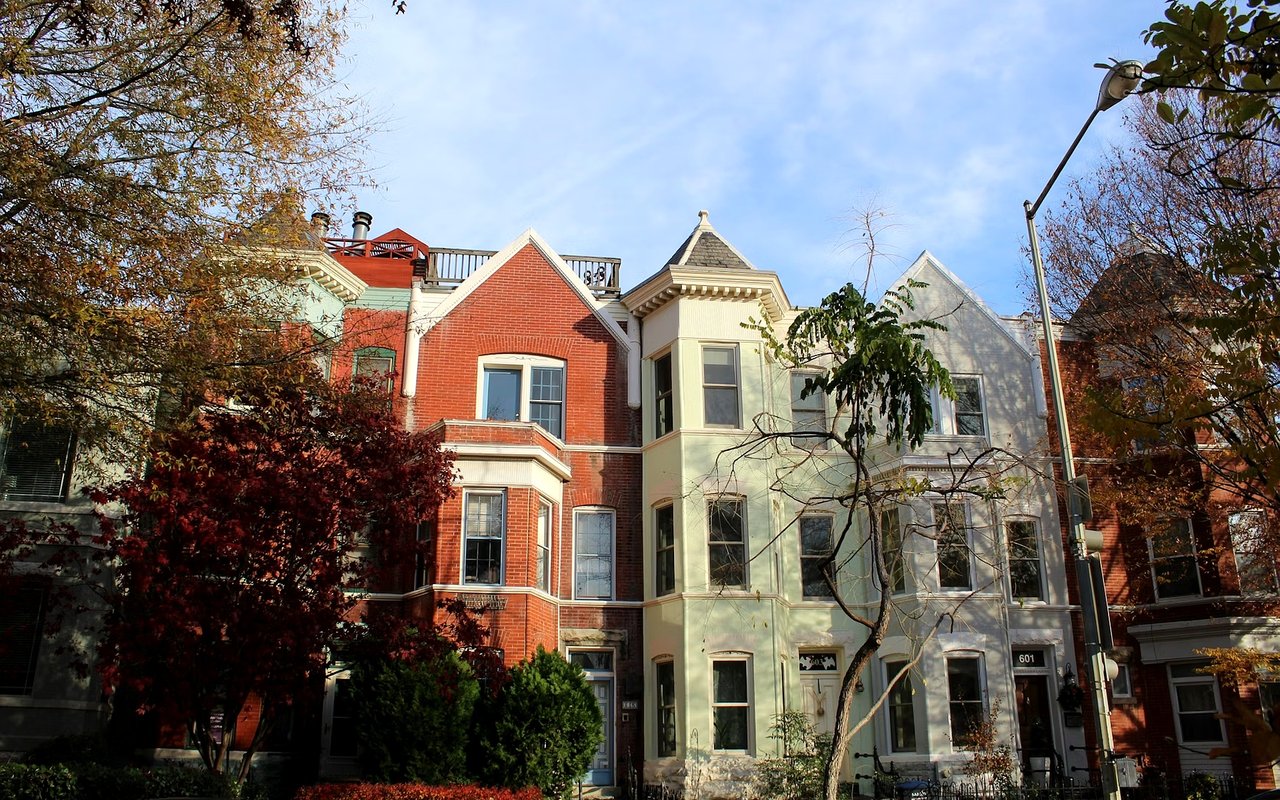
Georgetown has some of Washington's most recognizable features: the C&O Canal begins here, the Potomac edges the neighborhood to the south, and historic commercial streets like M Street and Wisconsin Avenue still organize daily life in a very visible way. I think that concentration is one of Georgetown’s greatest strengths, because public space, retail, and historic identity all remain tightly connected.
This guide looks at the places that best explain how Georgetown works on the ground and why the neighborhood continues to feel so distinctive.
Key Takeaways
- Waterfront Access: The Potomac, Georgetown Waterfront Park, and the C&O Canal give the neighborhood a strong outdoor structure.
- Historic Streets: M Street, Wisconsin Avenue, and Book Hill shape daily convenience and the neighborhood’s visual identity.
- Landmark Institutions: Tudor Place, Dumbarton Oaks, and the Old Stone House add depth beyond shopping and dining.
The Waterfront Gives Georgetown a Strong Public Edge
The southern edge of Georgetown is one of the clearest examples of how the neighborhood blends scenic access with daily use.
Waterfront features that define the neighborhood
- Georgetown Waterfront Park: A ten-acre riverfront park that gives the neighborhood open green space along the Potomac.
- Washington Harbour: A long-running waterfront destination with dining, river access, and seasonal ice skating.
- Water taxis and cruises: Regional water connections add another layer of movement and experience from the Georgetown shoreline.
I think the waterfront matters because it brings together park space, river views, restaurants, and active public paths in a way that feels unusually complete for a dense urban setting.
The C&O Canal Adds History and Everyday Calm
Few neighborhoods in Washington have a feature as distinctive as the C&O Canal running directly through them.
Canal landmarks worth knowing
- C&O Canal Towpath: A running and cycling corridor that begins in Georgetown and continues westward for miles.
- Old Stone House connection: The National Park Service also provides Georgetown information through the Old Stone House on M Street.
- Canal-side greens and bridges: Small crossings, shaded edges, and industrial remnants give the corridor much of its character.
The canal matters because it offers a second reading of Georgetown beyond storefronts and traffic.
M Street and Wisconsin Avenue Still Organize Daily Life
Georgetown’s commercial heart remains easy to identify because M Street and Wisconsin Avenue continue to anchor movement, shopping, and everyday convenience.
The main retail and service corridors
- M Street: A nationally recognized shopping street that functions as Georgetown’s most visible commercial spine.
- Wisconsin Avenue: A corridor where long-established businesses and newer concepts sit side by side in repurposed historic buildings.
- Grace Street side routes: Smaller nearby lanes add food and coffee options tucked between the canal and the waterfront.
The neighborhood’s strongest amenities and landmarks in Georgetown, DC often make the most sense when viewed from these two main corridors outward.
Book Hill and Cady’s Alley Give Georgetown More Texture
Georgetown would feel flatter without the northern and western sections that add design shops, galleries, antiques, and quieter side streets.
Places that add depth beyond the main corridor
- Book Hill: The stretch centered on Wisconsin Avenue from O Street to Reservoir Road with galleries, boutiques, and antiques.
- Cady’s Alley: A well-known design district with home-focused showrooms and a more modern retail identity.
- European-style streetscape: Smaller blocks and more intimate storefront patterns change the pace noticeably.
I like this part of the neighborhood because it shows how Georgetown expands beyond the better-known M Street blocks into something more layered and residential in feel.
Historic House Museums Keep Georgetown Grounded in Place
Georgetown’s landmark identity would be incomplete without the historic estates and gardens that sit just off its commercial streets.
Historic properties that carry real weight
- Tudor Place: A major historic house and garden property with one of the neighborhood’s strongest heritage presences.
- Dumbarton Oaks: A landmark estate known for its gardens and cultural significance within Georgetown.
- Old Stone House: One of the neighborhood’s best-known historic structures on M Street.
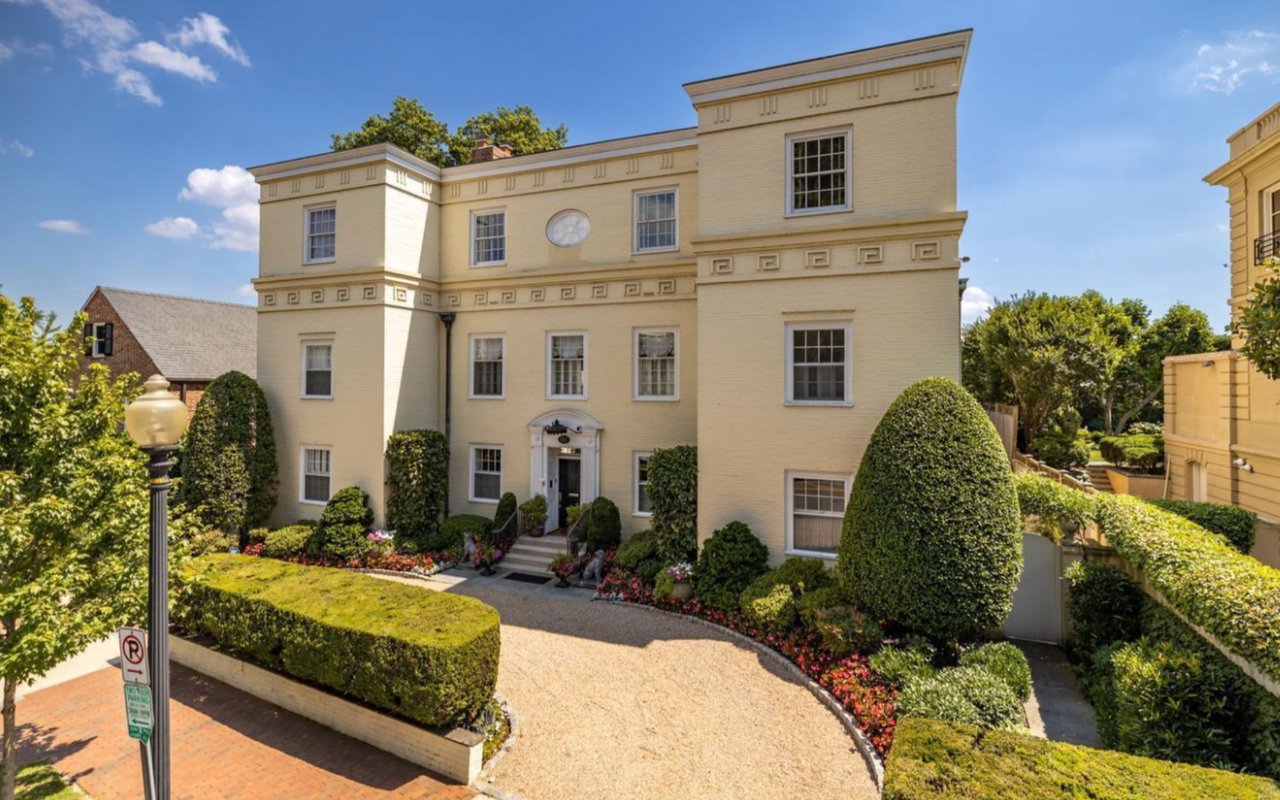
These properties strengthen the neighborhood’s luxury identity by tying architecture, landscape, and preservation together so clearly.
Georgetown University Adds Academic Presence and Architectural Weight
Georgetown University gives the neighborhood another defining landmark, with a hilltop campus that shapes both the skyline and the daily rhythm of the surrounding streets.
Features of the university that stand out in Georgetown
- Healy Hall: A landmark building whose towers remain one of the most recognizable sights above the neighborhood.
- Front gates and campus edge: The entrance along 37th Street creates a strong visual transition from the city into the university grounds.
- Copley Lawn and central quadrangles: Open interior campus spaces add scale and order within the hilltop setting.
This section of the neighborhood feels especially distinctive because the campus adds both visual prominence and intellectual life.
FAQs
What are the most recognizable landmarks in Georgetown?
The C&O Canal, Georgetown Waterfront Park, Tudor Place, Dumbarton Oaks, and the Exorcist Steps are among the neighborhood’s best-known landmarks.
Which amenities make Georgetown especially livable?
The strongest daily-use amenities include the waterfront park, canal towpath, M Street, Wisconsin Avenue, and the smaller retail and design pockets around Book Hill and Cady’s Alley.
Does Georgetown offer more than shopping and dining?
Yes, and that is one of its greatest strengths. The neighborhood also offers historic house museums, canal paths, river access, gardens, and architectural landmarks that give it much more range than a simple retail district.
Contact Russell Firestone Today
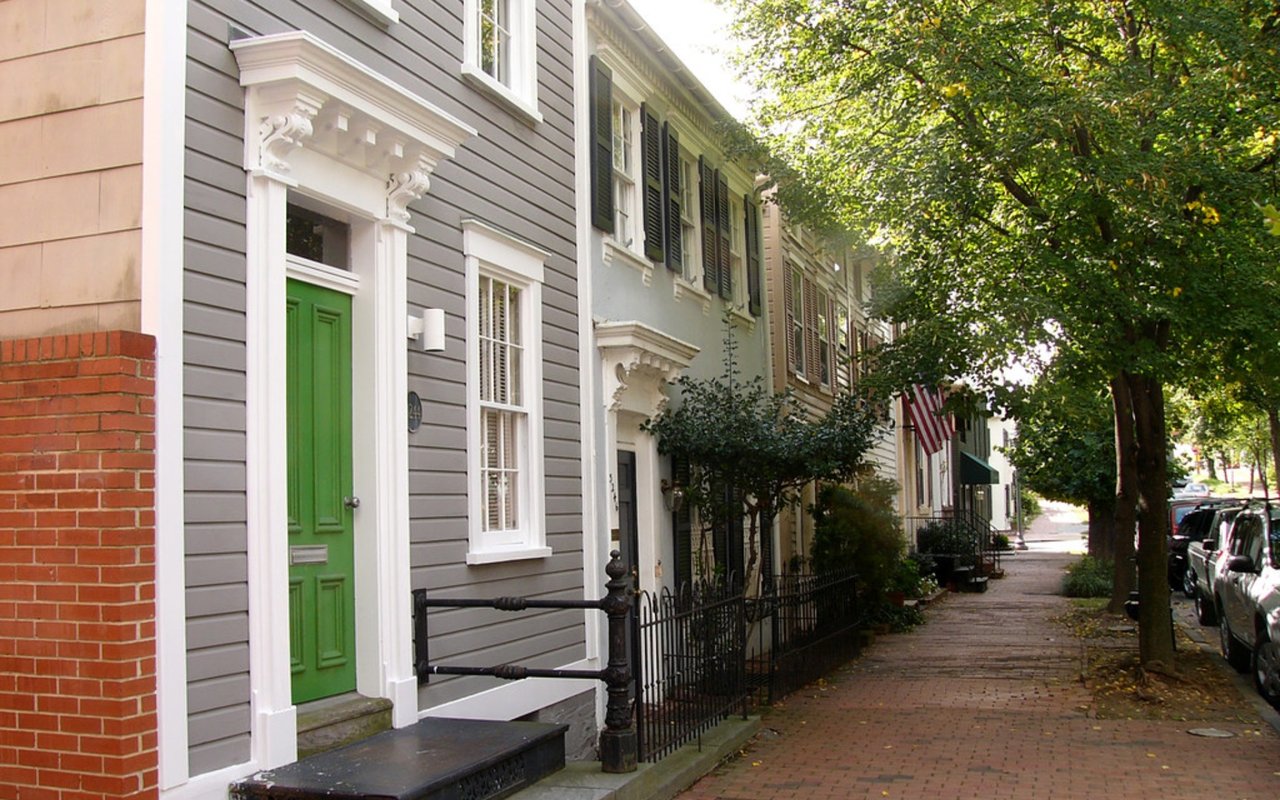
Georgetown real estate is closely tied to the same features that make the neighborhood memorable, including the canal, the Potomac edge, the preserved historic streetscape, and the concentration of cultural landmarks within a compact footprint.
If you are exploring Georgetown more seriously, reach out to me, Russell Firestone, for a perspective grounded in the way the neighborhood actually functions from block to block.
If you are exploring Georgetown more seriously, reach out to me, Russell Firestone, for a perspective grounded in the way the neighborhood actually functions from block to block.